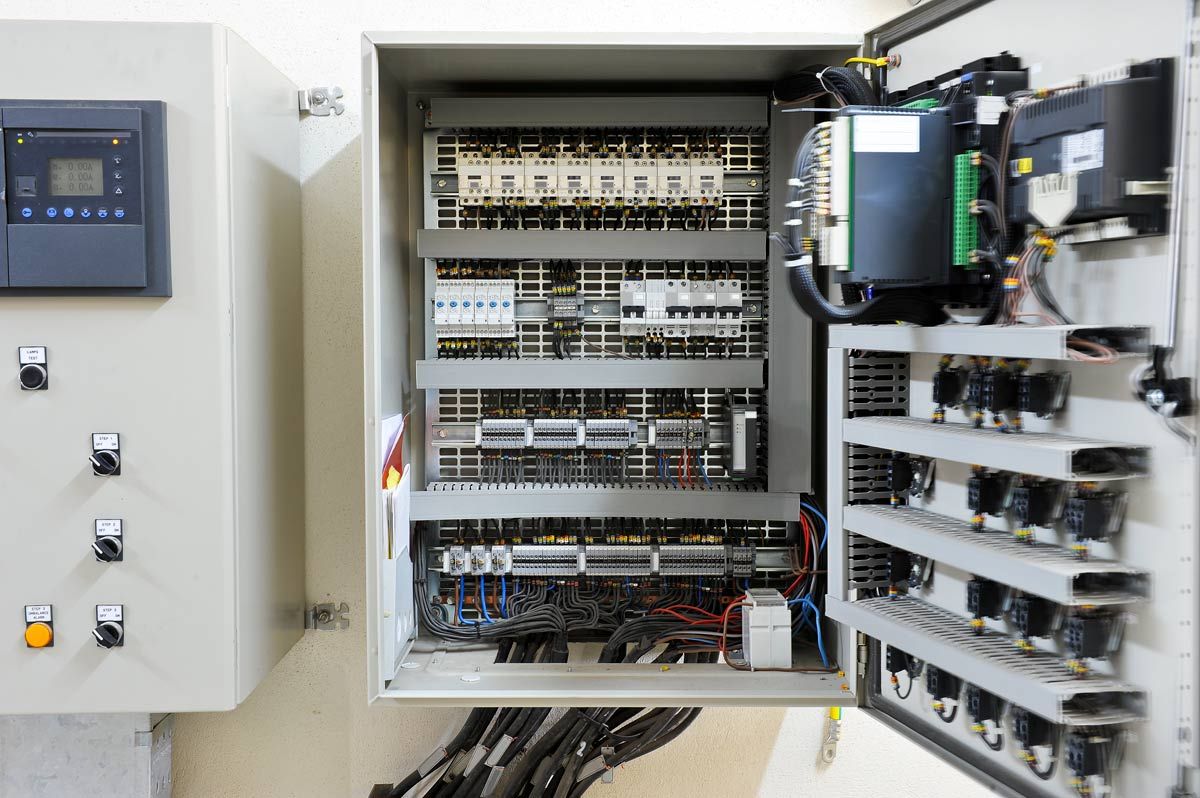
Enhancing Industrial Efficiency with Custom Automation Panel

Efficiency in industrial operations is more critical than ever. In fast-paced manufacturing, energy, water management, and other industries, enhancing productivity while reducing costs is non-negotiable. This is where automation and electrical control systems play a pivotal role.

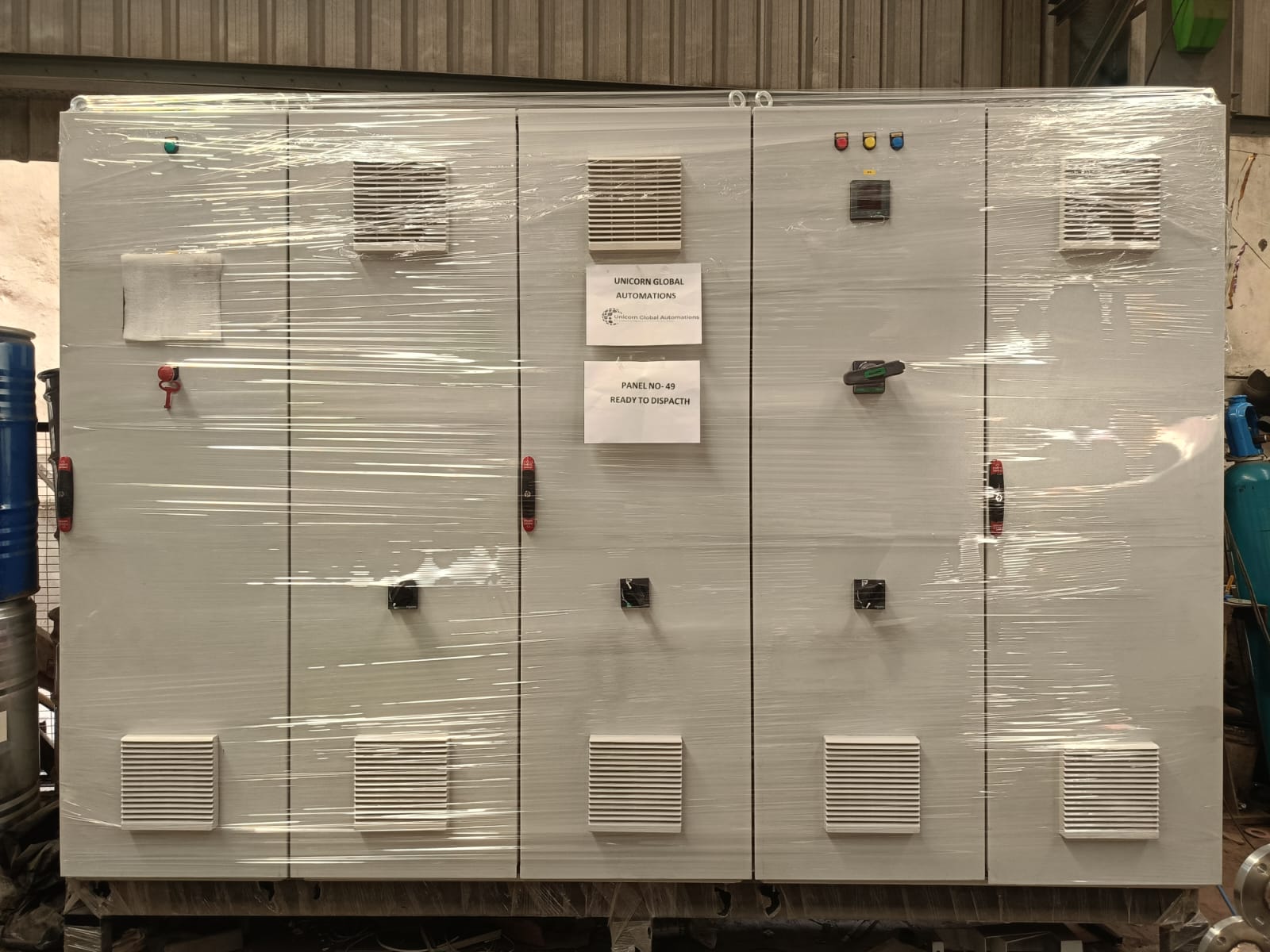
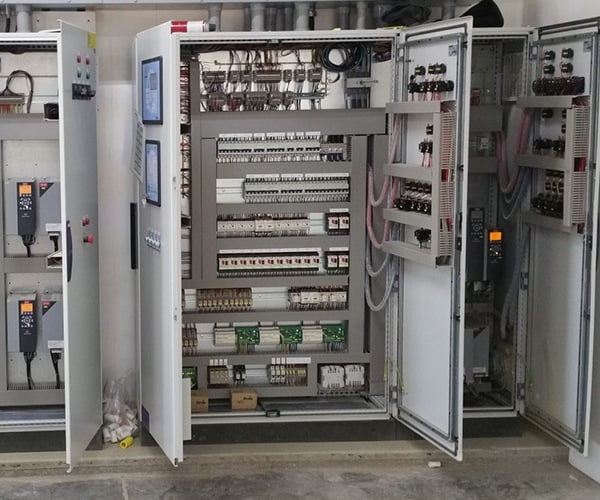
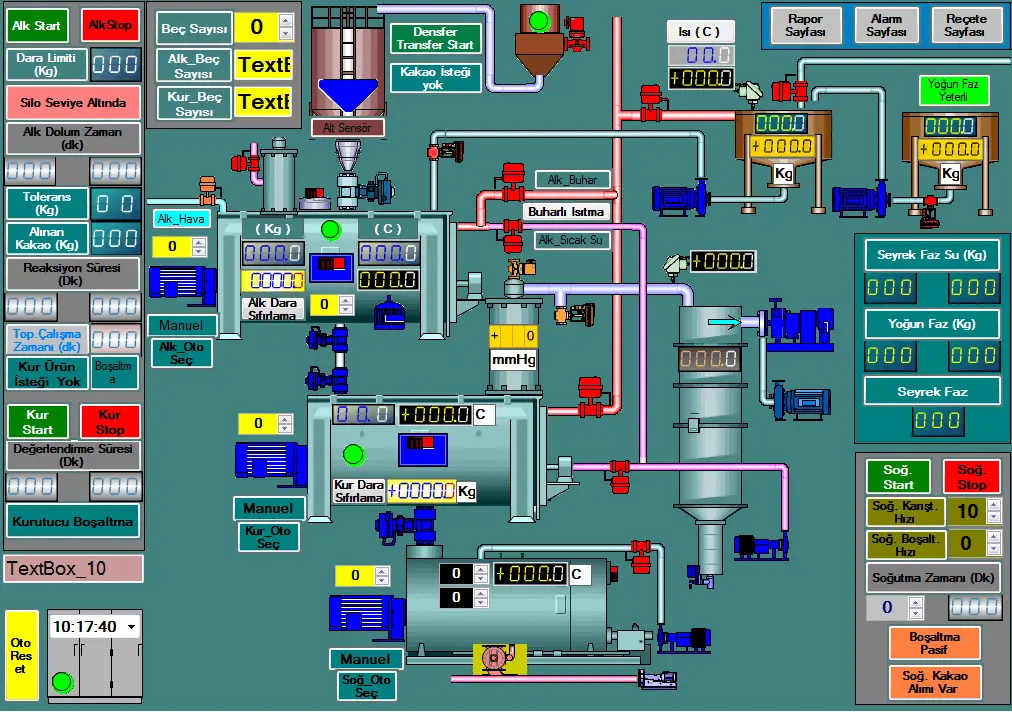
Automation Control Panels are at the heart of these systems. They manage power distribution, machinery control, and process optimization. However, every industry has unique requirements, and this is why custom automation panel make all the difference. Tailored to specific processes, they support businesses in achieving operational excellence.


Understanding Automation Control Panels

What are Automation Control Panels?

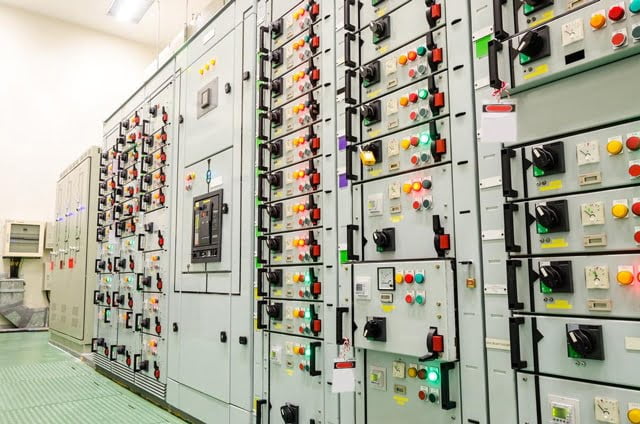
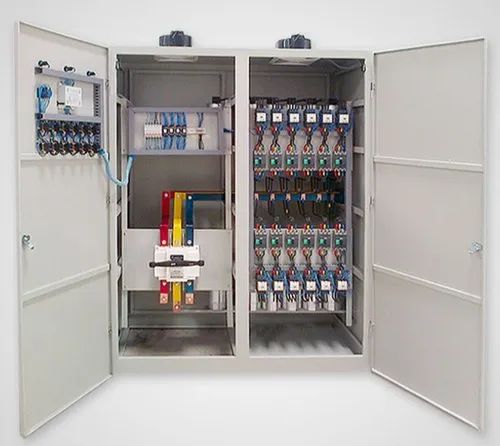
At their core, Automation control panels are assemblies of automation components that manage and regulate machinery and processes. They serve as the operational hub of automation systems, ensuring smooth, efficient, and safe operation.

Key Components

  • Circuit Breakers – Over-current protection by interrupting the flow of electricity in fault conditions.
  • Relays – Controllers to automate tasks such as switching circuits.
  • PLCs (Programmable Logic Controllers) – Brain of the control panel for complex automation tasks.
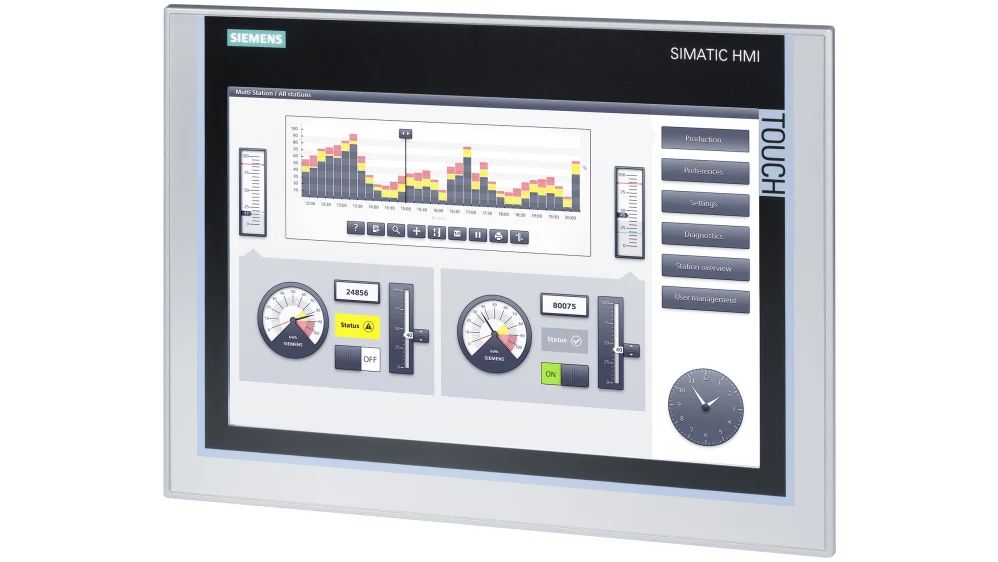
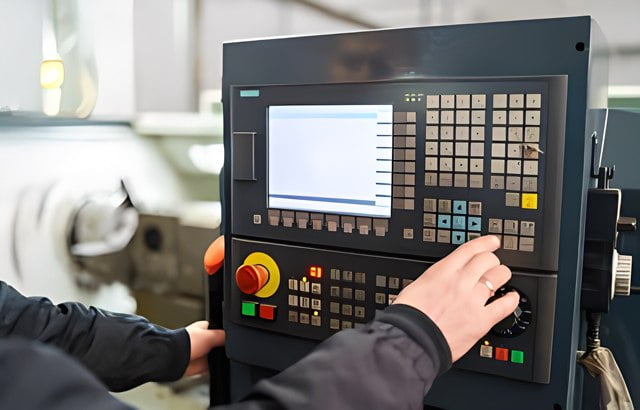
  • HMIs (Human Machine Interfaces) – User-friendly interfaces for monitoring and controlling processes.
  • Switches and Wiring – Connections and switches to manage inputs and outputs.

Types of Control Panels

  1. Motor Control Panels – For managing motors and drives.
  2. PLC Panels – Focused on process automation and communication with other devices.
  3. HMI Control Panels – Equipped with displays for user interaction.
  4. Drive Panels – For controlling variable frequencies in motors and turbines.

Functions of Automation Control Panels

  • Power distribution and system load management.
  • Machinery and process monitoring for operational accuracy.
  • Ensuring safety by preventing power surges and equipment malfunctions.

When built and applied correctly, control panels significantly support reliability and system longevity while enhancing efficiency.


The Role of Customization in Industrial Efficiency

Customizing control panels to an organization’s unique needs can unlock unparalleled efficiency, both operationally and financially.

Tailoring to Unique Processes

Every organization operates differently. Custom automation panels allow businesses to:

  • Design configurations specific to their production workflows.
  • Adapt controls for specialized equipment or procedural requirements.

For example, food and beverage manufacturers often require precision in timing and temperature, while water treatment plants benefit from real-time monitoring capabilities.

Space and Cost Efficiency

Custom designs can result in compact control panels, saving precious factory floor space. Additionally:

  • Energy-efficient control panels reduce utility bills.
  • Tailored designs streamline workflows, reducing process delays and operational costs.

Scalability and Future-Readiness

Custom control panels can incorporate modular designs, allowing for easy upgrades. This future-proofing is essential as businesses adopt technologies like IoT (Internet of Things) and AI integration to implement smart automation.

Companies that opt for scalable designs avoid costly overhauls, incrementally adapting systems as their needs evolve.


Key Benefits of Custom Electrical Control Panels

Enhanced Operational Efficiency

  • Precise Machinery Control – Custom panels integrate optimized controls, reducing response times and improving output quality.
  • Reduced Downtime – Panels tailored to specific workflows enhance troubleshooting ease, minimizing equipment failures.

Improved Safety Standards

Custom designs include safety features compliant with industry-specific regulations, reducing risks of:

  • Electrical hazards.
  • Mechanical malfunctions.

For instance, flameproof motor control panels in hazardous environments protect both personnel and equipment.

Energy Optimization

  • Integration of Variable Frequency Drives (VFDs) enhances energy consumption efficiency.
  • Real-time gas, electric, or water monitoring using SCADA systems can identify wastage and reduce overheads.

Simplified Maintenance

  • Custom control panels feature clearly labelled components for easy troubleshooting.
  • Sensors integrated for predictive maintenance notify teams about potential failures, minimizing disruptions.

By simplifying processes and bolstering performance, custom control panels drive industries toward efficiency and profitability.


Real-World Applications of Custom Control Panels

Manufacturing

Precision is key on production lines where timing and control are paramount. Companies use custom PLC panel to streamline processes, ensuring synchronized machine functioning.

Energy Sector

Power plants rely on energy-efficient control panels to ensure uninterrupted power distribution while managing peak loads with minimal human intervention.

Food and Beverage

From maintaining temperatures for delicate recipes to automating conveyor systems, custom automation solutions enhance both quality and speed in F&B manufacturing.

Water and Wastewater Management

Real-time monitoring through HMI control panels supports efficient operation in facilities that treat water, detecting anomalies and optimizing filtration systems.

Case Study

For instance, a manufacturing company reduced machine setup times by 35% after deploying a custom motor control panel tailored to its equipment’s nuances. This upgrade contributed to achieving yearly cost savings of $50,000 in downtime reductions.

Such success stories underline the direct benefits of custom control panels for process optimization in industries.


Steps to Design and Implement Custom Electrical Control Panels

1. Requirement Analysis

Evaluate your operational needs:

  • Identify areas of inefficiency.
  • Assess safety and scalability requirements.

2. Design and Engineering

Collaborate with control panel experts for:

  • Component selection (PLCs, drives, HMIs).
  • Optimal wiring layouts and configurations.

3. Manufacturing and Testing

Ensure the control panel adheres to:

  • IEC or UL standards.
  • Rigorous quality control checks.

4. Installation and Integration

Seamless setup minimizes disruptions, especially when migrating to a smart factory solution under Industry 4.0 frameworks.

5. Training and Support

Comprehensive user training improves adoption rates. Ongoing technical support ensures long-term reliability.

Enterprises that rigorously follow this process find minimal implementation roadblocks, reaping maximum benefits.


What’s Next for Custom Control Panels?

Industry 4.0 and Smart Factories

  • IoT Integration – IoT-enabled panels provide advanced data collection and real-time remote monitoring.
  • AI Integration – Innovations like predictive analytics and autonomous systems are reshaping automation.

Energy Efficiency and Sustainability

Future control panels will likely include:

  • Eco-friendly materials.
  • More advanced VFDs capable of enhancing sustainability metrics.

Smart control panels combining traditional features with Industrial IoT capabilities are poised to become standard across sectors.


The Future of Industrial Efficiency Starts Now

Custom control panels are essential in supporting operational success, from enhancing safety to improving process precision. Tailored to individual workflows, they help enterprises maximize productivity, minimize waste, and prepare for future technological advances.

If you’re ready to boost your organization’s efficiency with custom electrical control panels, explore our advanced control panel design and installation services. Contact us today to transform your systems with cutting-edge automation solutions.

What Is an HT Panel?

Understanding its Function, Importance, and Future Trends

When it comes to managing electrical distribution in high-demand settings, the HT Panel (High Tension Panel) is an unsung hero. Whether you’re an electrical engineer, facility manager, or business owner, understanding HT Panels can revolutionize how your power distribution system operates. But what exactly is an HT Panel, and how can it benefit your industrial or commercial facility?

This comprehensive guide dives into the workings, components, types, and critical advantages of HT Panels. You will learn how proper HT Panel installation affects workplace safety, energy efficiency, and cost savings. This knowledge will also prepare you for new trends in high-voltage power management.

What Is an HT Panel?

An HT Panel, or High Tension Panel, is an essential part of the electrical distribution system. Commonly used for industrial and commercial applications, HT Panels are designed to manage high-voltage electricity, typically greater than 11 kV. These panels help distribute power from a transformer to different parts of a facility while ensuring safe and efficient electrical operation.

More than just a “power box,” HT Panels are critical for regulating voltage levels, protecting equipment from short circuits, and ensuring reliable power distribution. Think of them as the backbone of an industrial power solution, supporting various systems and processes dependent on high-voltage electricity.

How Do HT Panels Work?

At their core, HT Panels act as intermediaries in the electrical distribution system. They receive high-voltage power from transformers and regulate it before distributing it across different sections or machinery in a facility. Here’s a simplified breakdown of how HT Panels function:

  1. Receiving High Voltage: Power is transmitted to the HT Panel from a high-voltage source or a transformer.
  2. Regulating Voltage: The panel ensures the voltage is within safe limits for machinery and equipment.
  3. Distributing Power: Controlled power is sent to various parts of the facility through the system.
  4. Protecting Equipment: HT Panels are equipped with safety mechanisms to detect faults like overvoltage and short circuits, reducing the risk of electrical damage.

Their ability to handle high voltages while ensuring safety makes HT Panels indispensable in industries requiring large-scale power generation and distribution.

Role of HT Panels Automation in Power Management Systems

High Tension (HT) panels play a critical role in modern power management systems, and their automation has significantly enhanced the efficiency, reliability, and safety of electrical networks. Here’s a detailed look at the key roles HT panel automation plays in power management:

1. Remote Monitoring and Control

Automation enables HT panels to be monitored and controlled remotely, reducing the need for manual intervention. Operators can oversee the status of electrical systems, manage power distribution, and respond to issues in real-time through centralized control systems. This ensures faster response times and minimizes downtime during faults or power disruptions.

2. Automatic Load Management

HT panel automation facilitates intelligent load management by automatically balancing power distribution across the network. It ensures that critical systems receive uninterrupted power while optimizing power usage for less essential operations. This not only prevents overloading but also enhances overall system stability.

3. Integration with Smart Grids

Automated HT panels can seamlessly integrate with smart grid systems, enabling advanced functionalities such as bidirectional energy flow and demand response. This integration supports renewable energy sources, facilitates energy trading, and improves the overall efficiency of the power grid.

4. Protection and Fault Handling

Automated HT panels include protection systems that detect and mitigate faults such as short circuits, overloads, and voltage fluctuations. Automation ensures that these faults are identified quickly and isolation mechanisms are triggered to prevent extensive damage to equipment and ensure personnel safety.

5. Energy Efficiency

By optimizing power distribution and minimizing losses, automated HT panels contribute to improved energy efficiency. They can prioritize energy usage, reduce wastage, and help organizations meet energy-saving targets, ultimately lowering operational costs.

6. Data Collection and Analysis

Automation allows HT panels to collect real-time data on power usage, load patterns, and system performance. This data can be analyzed to identify trends, predict maintenance needs, and improve decision-making. Advanced analytics ensure that power systems operate at peak efficiency and reliability.

In summary, automation in HT panels revolutionizes power management systems by providing smarter, safer, and more efficient solutions. With features like remote monitoring, integration with smart grids, and enhanced fault management, automated HT panels are essential for modern energy systems.

Key Components of an HT Panel

HT Panels are made up of several critical components, each playing a vital role:

  • Circuit Breakers: These provide protection against overloads and short circuits.
  • Relays: Help detect faults in the system and isolate affected areas.
  • Busbar: Transmits power within the panel.
  • Isolators: Ensure individual circuits can be disconnected for maintenance or repairs without disrupting the entire system.
  • Voltage Transformers: Step down the voltage for measurement and relay operations.
  • Meters and Indicators: Display voltage, current, and power metrics for monitoring.
  • Protection Devices: Include surge protectors and fuses that safeguard the system.

Each element works in sync, making the HT Panel a robust and efficient electrical distribution system.

Types of HT Panels and Their Applications

Depending on the application, HT Panels are available in several variations, each designed to meet specific electrical and operational requirements. These panels play a crucial role in managing high-tension power supply, ensuring efficient and safe distribution of electricity across industrial, commercial, and utility sectors.

  1. Indoor HT Panels

Ideal for factories, malls, or offices, where environmental conditions are controlled.

  1. Outdoor HT Panels

Built to withstand extreme weather, these panels are commonly used in power distribution substations.

  1. Capacitor Panels

Primarily used for power factor correction to enhance energy efficiency.

  1. VFD HT Panels (Variable Frequency Drive Panels)

Designed to control the speed of motors and optimize energy usage in industrial settings.

Selecting the right HT Panel type ensures that it matches your facility’s operational and safety requirements.

The Importance of HT Panels in Power Distribution

Why are HT Panels a crucial part of power distribution systems? Beyond the capability to handle high-voltage power, here’s why they matter:

  • Ensure Reliable Power Distribution

HT Panels are designed to maintain a steady flow of electricity, reducing the risk of downtime caused by interruptions.

  • Equip Industries for High-Demand Needs

Manufacturing plants, data centres, and commercial complexes need high-voltage power for smooth operations. HT Panels deliver this electricity efficiently.

  • Protect Expensive Equipment

Short circuits, power surges, or voltage fluctuations can damage heavy machinery. HT Panels mitigate these risks, prolonging the lifespan of equipment.

Key Benefits of Proper HT Panel Installation

When installed correctly, HT Panels offer several advantages that greatly benefit industrial and commercial settings:

  1. Enhanced Operational Safety

Proper HT Panel installation meets strict guidelines, reducing risks of electrical accidents.

  1. Energy Optimization

By managing voltage with precision, HT Panels minimize energy wastage, ensuring industrial energy efficiency.

  1. Regulatory Compliance

Proper installation ensures adherence to electrical safety systems and industry regulations, avoiding penalties.

  1. Reduced Downtime

Reliable power distribution systems prevent operational interruptions, bolstering productivity.

  1. Lower Maintenance Costs

A professionally installed HT Panel operates efficiently, requiring less frequent repairs and lowering maintenance expenses.

  1. Cost-Effective Power Management

By optimizing power usage, HT Panels can lead to significant reductions in your facility’s energy bills.

Safety Considerations for HT Panels

Safety should always be the top priority with high-voltage power systems like HT Panels. Key safety considerations include:

  • Regular Maintenance

Routine checks ensure that faults are detected early and mitigated.

  • Quality Equipment

Using certified, high-quality HT Panel components reduces safety risks.

  • Professional Installation

Always rely on experienced professionals to handle installations and upgrades.

The Role of HT Panels in Industrial and Commercial Settings

HT Panels are an integral part of various settings requiring substantial and uninterrupted power.

  • Industrial Applications

Power-intensive processes in factories and manufacturing plants rely on HT Panels to power heavy machinery safely and efficiently.

  • Commercial Applications

Big office buildings, shopping malls, and hotels use HT Panels. They use them for lighting, HVAC systems, and steady power for IT needs.

No matter the scale, HT Panels support a stable, reliable, and efficient power distribution system, meeting diverse demands.

Future Trends in HT Panel Technology

The future of HT Panels is exciting, with innovations making them smarter and more efficient. Current trends include:

  • IoT-Enabled HT Panels

The integration of IoT in electrical panels allows real-time monitoring and predictive maintenance.

  • Smart HT Panels

AI-powered systems can optimize power distribution and prevent faults automatically.

  • Renewable Energy Integration

Modern HT Panels are designed to manage energy from renewable sources like solar or wind.

These advancements position HT Panels as a futuristic solution for high voltage power management, ensuring long-term reliability and sustainability.

Ensure Reliable Power Distribution with Professional Help

HT Panels are more than just an electrical box—they’re the nerve center of a facility’s power distribution system. From ensuring operational efficiency to protecting workplace safety, their impact is undeniable. Proper installation and maintenance are key to unlocking their full potential.

By staying informed about HT Panel types, components, applications, and emerging trends, you can make smarter decisions for your electrical distribution needs. Partnering with experienced professionals ensures your HT Panel is installed optimally and performs at its peak.

Looking ahead, Smart HT Panels will continue to redefine industrial energy efficiency and make future power distribution systems more reliable and sustainable. Are you ready to upgrade your electrical infrastructure?

How PLCs and Drive Control Panels Work Together in Industrial Automation

PLC Control Panel

Industrial automation is the backbone of modern manufacturing, simplify processes to deliver precision, reliability, and efficiency. These systems have two main parts: PLCs (Programmable Logic Controllers), and Drive Control Panels.

Together, they create a connected system. This allows for easy control and automation. It works for motor systems and large production lines.

The PLC Control Panel is important for managing and housing the PLCs. It helps ensure smooth operation and integration in complex industrial automation.

What is a PLC (Programmable Logic Controller)?

A Programmable Logic Controller (PLC) is essentially the “brain” of automation systems. PLCs are specialized, ruggedized computer designed for real-time control of industrial processes and machinery. Programmers create PLC Control Panel to monitor system inputs. They make logical decisions and execute outputs accurately.

Core Functions of a PLC:

  • Input Processing: PLCs receive signals from sensors, switches, and other input devices within a system. These inputs provide real-time data about the state of the process or machinery.
  • Decision-Making: Using pre-written programs, the PLC processes inputs and makes logical decisions to determine the required outputs.
  • Output Control: Once decisions are made, the PLC controls actuators, motors, and other devices to manage machines and systems.

Why Engineers Love PLCs:

  • Durability in harsh environments
  • Flexible programming tailored to specific systems
  • Reliability for 24/7 operations
  • Compatibility with various communication protocols like Modbus, Ethernet/IP, etc.

What is a Drive Control Panel?

A Drive Control Panel is like the muscle that carries out the commands sent by the PLC. These panels house the components necessary to precisely control motors and other driven equipment. One important part of these panels is the Variable Frequency Drive (VFD). It changes a motor’s speed and torque based on what the system needs.

Key Components in a Drive Control Panel:

  • Variable Frequency Drive (VFD): Regulates the speed and power of AC motors for optimal performance.
  • Contactors and Relays: Provide control and protection for motors.
  • Control Modules: Enable interaction between the drive panel and the PLC.
  • Enclosures and Safety Features: Ensure safe operation in industrial environments.

By optimizing motor performance, drive control panels enhance energy efficiency and process precision, making them indispensable to modern automation systems.

Synergy Between PLCs and Drive Control Panels in Industrial Automation

Combine the “brain” of a PLC with the “muscle” of a drive control panel, and you have an automation powerhouse. Their integration enables industries to achieve unparalleled levels of precision, efficiency, and scalability. Here’s how it works step by step:

1. Communication and Data Exchange

PLCs and drive control panels communicate using PLC communication protocols such as Modbus, Profinet, and EtherCAT. The PLC sends commands to the drive panel, while the panel relays real-time performance data back to the PLC for monitoring and feedback.

Different types of communication protocols used for the automation of processes in PLC.
  • EtherNet/IP
  • Profibus
  • Modbus
  • Interbus
  • ProfiNet
  • ControlNet
  • DeviceNet
  • DirectNet
  • CompoNet
  • RAPIENet
  • EtherCAT
  • MelsecNet
  • Optomux
  • DF-1 Protocol
  • HostLink Protocol
  • MECHATROLINK
  • DH- Data Highway
  • PPI- Point to Point
  • EtherNet Powerlink
  • MPI- Multi-Point Interface
  • EGD- Ethernet Global Data
  • AS-i- Actuator Sensor Interface
  • OSGP- Open Smart Grid Protocol
  • DNP3- Distributed Network Protocol
  • SDS- Smart Distributed System Protocol
  • PieP- Process Image Exchange Protocol
  • SRTP- Service Request Transport Protocol
  • BSAP- Bristol Standard Asynchronous Protocol
  • FINS- Factory Interface Network Service Protocol
  • HART- Highway Addressable Remote Transducer Protocol
  • Recommended Standard (RS-232, RS- 422, and RS-485) Protocols

2. Command and Control Flow

  • The PLC processes input signals from sensors and determines required motor actions.
  • It sends commands to the drive control panel to adjust motor speed, torque, and direction.

3. Real-Time Adjustments

If conditions in the system change like a conveyor slowing down due to a heavier load—the PLC detects these changes via sensors. It then instructs the drive panel to modify motor performance in real time.

This leads to smooth and precise operations. These operations ensure the best performance while reducing energy waste. This saves resources and costs over time.

How PLCs work in Industrial Automation

PLCs operate in a cycle known as the scan cycle. This cycle has three steps: reading input signals, running the logic, and updating output signals. Inputs can come from sensors, switches, or other devices, while outputs may control actuators, motors, or indicators. Users program PLCs using languages like Ladder Logic, Function Block Diagrams, or Structured Text.

Built for harsh environments, PLCs are highly durable, withstanding extreme temperatures, dust, and vibrations. Industries like manufacturing, oil and gas, and transportation commonly use them. By streamlining processes and reducing human error, PLCs play a pivotal role in modern industrial automation.

Communication Protocols in PLCs

In modern manufacturing lines, for example bottling facilities are seamlessly filled, capped, and labelled, communication between machines is critical for smooth operations. At the centre of this coordination is the PLC (Programmable Logic Controller), which acts as the brain of the system. Communication protocols play a vital role in enabling the PLC to interact with various machines and sensors.

Protocols like Modbus, EtherCAT, and Profinet provide standardized frameworks for exchanging data between devices. Here’s how these protocols contribute to efficient operations:

  • Detecting the Bottle: Sensors detect when a bottle is in position and communicate this information to the PLC through a protocol like Modbus or Profinet. The PLC processes this input and determines the next step.
  • Filling the Bottle: Once the PLC receives the position confirmation, it sends a command to the filling machine via the selected protocol. After filling, the machine sends feedback to the PLC to confirm task completion.
  • Capping and Labeling: The PLC then sequentially instructs the capping and labeling machines, exchanging real-time data with them to ensure precise coordination and timing.

Communication protocols like Modbus simplify this data exchange by establishing a common language for devices, regardless of manufacturer. For instance, Modbus is widely used due to its simplicity and compatibility with a variety of devices. However, newer protocols like EtherCAT provide faster communication for systems requiring high-speed data transfer.

Without reliable communication protocols, manufacturing processes would face inefficiencies, delays, and errors. By enabling seamless interaction, these protocols ensure that every component of the production line works in harmony, driving productivity and reducing downtime.

MODBUS Network Architecture” by Modbus Organization is licensed under CC BY-SA 4.0.

Benefits of Integrating PLCs with Drive Control Panels

The integration of PLCs and drive control panels delivers numerous advantages to industrial automation systems:

1. Enhanced Efficiency

Through seamless communication and real-time control, energy is used more efficiently. For example, VFDs in drive panels reduce energy consumption by adjusting motor speed to match operational demands.

2. Precision and Reliability

PLC systems and drive panels work together to control robotic arms and conveyor belts. This combination helps automate tasks accurately and reduces errors.

3. System Flexibility

Whether you are increasing production or adding new equipment, PLCs and drive panels can adapt easily. This makes your system ready for the future.

4. Cost Savings

Optimized energy usage, reduced downtime, and minimal maintenance requirements streamline OPEX (operational expenses).

Common Applications of PLCs and Drive Control Panels

The dynamic duo of PLCs and drive control panels is applied across a wide range of industries:

  • Manufacturing: Automating assembly lines, controlling robotic systems, and managing conveyor belts.
  • HVAC Systems: Regulating fan speeds, compressors, and pumps to ensure energy-efficient climate control.
  • Water Treatment Plants: Controlling pump operations and managing chemical dosing systems.
  • Food and Beverage: Automating mixing, packaging, and bottling processes.
  • Energy Sector: Managing wind turbines, solar trackers, and power grid systems.

Challenges in Integrating PLCs and Drive Control Panels

While the benefits are clear, integrating PLCs and drive control panels does come with a fair share of challenges:

1. Compatibility Issues

Not all PLCs and drive components are inherently compatible. Engineers must carefully consider factors like communication protocols and hardware interfaces to avoid mismatches.

2. Noise Interference

High-frequency electrical noise can disrupt communication between these systems. Proper grounding, shielding, and noise suppression techniques are essential for reliable operation.

3. Programming Complexity

While PLC programming is highly flexible, it can get complex for beginners. Training and expertise are crucial for setting up advanced automation systems.

Future Trends in PLC and Drive Control Panel Integration

The future of industrial automation lies in leveraging cutting-edge technologies that enhance the synergy between PLCs and drive control panels:

1. IoT Integration

By connecting PLCs and drive control panels to IoT platforms, enterprises can monitor and manage their systems remotely, gaining real-time insights from anywhere in the world.

2. AI for Predictive Maintenance

AI algorithms are being integrated into automation systems to predict potential failures, schedule proactive maintenance, and avoid costly downtimes.

3. Wireless Communication

Wireless protocols are making it possible to eliminate physical communication cables, enabling flexible and more scalable automation systems.

4. Energy Optimization Features

Advanced AI and machine learning models are providing smarter ways to optimize energy consumption, aligning industrial operations with sustainability goals.

Streamline Your Industrial Automation System

PLCs and drive control panels together form the backbone of modern industrial automation. Their seamless integration ensures efficiency, precision, and adaptability in industries that demand excellence.

Are you planning to take your automation systems to the next level? Partner with a trusted Automation Control Panel Manufacturer to build custom solutions tailored to your needs. Optimize your operations today with integrated PLC control panels and drive control panels, and stay future-ready.

Understanding IEC 61439: A Comprehensive Guide for Control Panel Builders

The world of control panel manufacturing is underpinned by one critical factor—safety. This is where the IEC 61439 standard becomes indispensable. Control panel builders, electrical engineers, and compliance officers must understand this standard. It is key to providing safe, efficient, and compliant electrical systems.

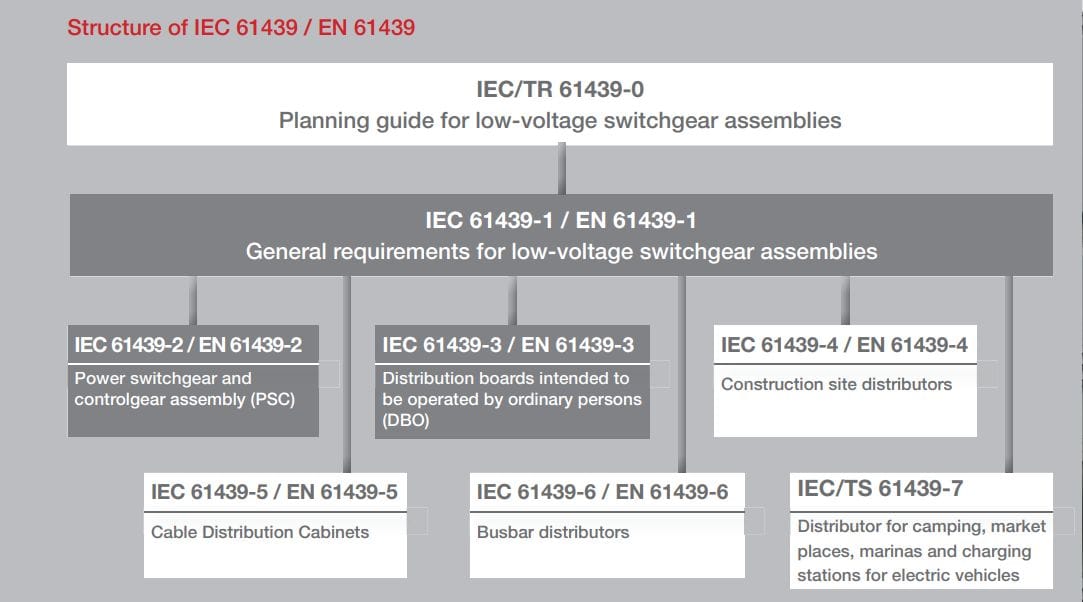
This guide dives deep into IEC 61439 compliance—what it is, why it matters, and how your team can meet its requirements. Learning to design automation control panels that follow IEC 61439 helps your systems meet global safety and performance standards. This improves reliability and makes your products more appealing in the market.

The Basics of IEC 61439

What is IEC 61439?

IEC 61439 is an international standard that sets the framework for the design, construction, and testing of low-voltage switchgear and control panels. It replaced the outdated IEC 60439 standard in 2014 to keep pace with advancements in technology and safety requirements.

At its core, IEC 61439 aims to:

  • Streamline the construction of electrical panels.
  • Enhance electrical and mechanical reliability.
  • Define clear roles for original equipment manufacturers (OEMs) and assembly manufacturers.

Key Industries That Rely on IEC 61439

Industries such as manufacturing, energy, construction, and automation widely adopt this standard in their control panel designs due to its reliability and effectiveness. These standards are critical for ensuring uniformity and compliance across different sectors, which helps streamline production and maintenance processes.

From industrial PLC control panels to large automation systems, following these standards ensures safety. It also boosts efficiency, lowers the risk of costly downtime, and improves overall system performance.

Breaking Down IEC 61439 Requirements

Design Verification

Design verification is at the heart of IEC 61439 compliance. Builders must validate their panels using one (or a combination) of three methods:

  • Testing the panels under specific conditions.
  • Calculations based on defined parameters.
  • Comparisons with previously tested designs.

This ensures panels meet strict safety rules for optimal performance. These rules cover important areas. They include managing high current surges, using proper insulation to stop electrical leaks, and controlling temperature to prevent overheating.

Assembly Construction Guidelines

IEC 61439 clearly delineates responsibilities:

  • Original manufacturers provide guidance and basic designs.
  • Assembly manufacturers ensure panels comply with standards through proper assembly, testing, and verification.

Electrical Performance Requirements

Panels must demonstrate resilience in the following areas:

  • Short-circuit withstand strength to handle unexpected power surges.
  • Dielectric properties for enhanced insulation and safe operation.
  • Temperature rise limits to prevent overheating and improve longevity.

Why IEC 61439 Compliance is Essential

Adhering to control panel standards like IEC 61439 provides tangible benefits:

  • Enhanced Safety

Protect users from electrical hazards by ensuring panels meet stringent safety regulations. This is non-negotiable in environments involving high voltage or complex automation systems.

  • Improved Reliability

Efficient and well-constructed automation control panels deliver consistent performance, reducing downtime caused by system failures.

  • Global Trade Enablement

IEC 61439 compliance simplifies international trade by aligning your products with globally recognised control panel standards.

Overcoming Common Hurdles in IEC 61439 Implementation

Cost Implications

Verification through testing can be costly, particularly for smaller businesses with limited budgets. This process often requires specialized equipment, expert knowledge, and considerable time, which can quickly add up. As a more affordable alternative, many businesses opt for design calculations or comparison methods.

These methods help companies check their products or systems quickly. They also follow safety rules and regulations. This ensures compliance and saves money.

Documentation and Design Consistency

Good documentation is important to follow IEC 61439. It makes sure that every part of the panel’s design meets safety and performance standards. This includes providing detailed design verification, assembly instructions, and testing protocols.

However, keeping design consistency across many panel builds can be a big challenge for manufacturers. This is especially true without smooth workflows and the right tools to manage the process well.

Legacy Systems

Retrofitting older equipment to meet IEC 61439 compliance can be a complex and time-consuming process. It often involves redesigning electrical panels to meet updated safety and performance standards, which may require significant modifications to the existing setup.

Additionally, the process typically includes undergoing extensive testing to ensure the retrofitted equipment meets the required specifications, adding further challenges to achieving compliance.

How to Ensure Compliance as a Control Panel Builder

Achieving IEC 61439 compliance becomes seamless with a structured approach:

Initial Design and Planning

  • Conduct risk assessments to understand application-specific challenges.
  • Clearly define functional and environmental requirements for your panels.

Verification Methods

Decide which method suits your project best:

  • Opt for testing if you’re creating panels for new and unique applications.
  • Use design calculations for standardised or repeat projects.

Manufacturing and Assembly Best Practices

Focus on:

  • Selecting high-quality, durable materials.
  • Maintaining meticulous workmanship during assembly to reduce errors.

Documentation and Certification

Maintain accurate records of:

  • Verification processes.
  • Testing data.
  • Compliance certifications.

Essential Tools for IEC 61439 Implementation

Building compliant panels requires the right tools and resources:

  • Software

Programs like AutoCAD Electrical and EPLAN simplify panel design and testing documentation.

  • Training Programs

Enroll in professional certifications to upskill your team on best practices and IEC standards.

  • Testing Laboratories

Partner with accredited labs to ensure your products meet compliance before shipping.

Case Studies: IEC 61439 in Action

Manufacturing Plant Upgrade

A manufacturing facility faced the challenge of replacing an outdated PLC control panel to meet updated electrical panel safety regulations and improve overall reliability. The existing panel not only posed safety risks but also contributed to frequent operational disruptions.

By leveraging detailed design verifications and rigorous testing processes, the company successfully implemented new, compliant control panels. These upgrades not only ensured adherence to safety standards but also enhanced operational efficiency, resulting in a significant 30% reduction in downtime.

The new panels provided greater reliability, improved system performance, and contributed to safer working conditions for the facility’s employees.

Energy Sector Compliance

An energy company expanded operations to international markets. By adhering to IEC 61439 standards, they ensured their panels met global electrical standards, facilitating smoother trade agreements and higher customer confidence.

What’s Next for IEC 61439?

The evolution of control panel standards is set to speed up with advancements in technology:

  • IoT and AI Integration

Control panels are becoming smarter. IoT sensors and AI-based diagnostics will influence new IEC standards and elevate the capabilities of panels.

  • Focus on Sustainability

Future revisions of IEC 61439 might emphasize energy-efficient design and the use of sustainable materials.

By keeping up with these trends, your business can stay competitive. You can also meet electrical panel safety rules.

Key Takeaways for Control Panel Builders

Master IEC 61439 compliance to create safer, more reliable, and globally competitive PLC control panels and automation control panels. Focus on design verification, create strong documentation, and use modern tools. This will help your business lead in control panel design.

Take the next step—equip your team with the knowledge and resources needed to meet these standards. Compliance isn’t just a requirement; it unlocks better safety, performance, and customer trust.

Essential Steps for Designing a High Performance Control Panel

High Performance Control panel are integral components in industrial automation systems, serving as the centralized units that manage and regulate machinery and processes. These panels house various electrical devices such as relays, switches, circuit breakers, and programmable logic controllers (PLCs).

A PLC panel assists in the smooth and safe operation of machinery and processes. It provides a means to effectively control and monitor equipment. This helps ensure that everything runs smoothly and without any issues. The control panel is essential for maintaining the efficiency and safety of the equipment.

Importance of High-Performance Control Panels

High-performance control panels offer numerous benefits, including enhanced efficiency, increased reliability, and improved safety. Efficient control panels streamline operations, reduce downtime, and optimize resource usage. Automation control panel minimize the risk of equipment failure, ensuring continuous operation and reducing maintenance costs. Well-designed control panel fabrication improve safety by preventing accidents and protecting equipment and operators.

Creating high-performance control panels involves many important steps, from planning to final installation. This guide explains the steps for engineers and technicians to create important systems in detail, serving as a roadmap.

Control Panel Installation

Preliminary Planning and Requirements Gathering

Define Project Scope

The first step in designing a high-performance control panel is to clearly define the project scope. This involves determining the functions the control panel should perform. It also involves identifying the processes that the panel will control. Additionally, it requires setting performance standards that the panel must adhere to.

Understanding the end-user requirements is crucial, as this will influence the design and functionality of the panel. It is important to involve stakeholders at the beginning of a project. This helps in getting clear specifications and ensuring that the final product meets expectations.

Regulatory and Compliance Considerations

Compliance with relevant standards and certifications is essential in the design and construction of control panels. Standards such as UL (Underwriters Laboratories) and CE (Conformité Européenne) ensure that the control panels meet safety and performance criteria. Additionally, adherence to safety and environmental regulations is mandatory to prevent legal issues and ensure safe operation. Understanding these requirements during the planning phase helps in selecting appropriate components and designing compliant systems.

Budget and Timeline Estimation

Accurate budget and timeline estimation are critical for the successful completion of the project. Cost factors include materials, labor, testing, and any additional expenses related to compliance and certification. Establishing project milestones and deadlines helps in tracking progress and ensuring timely completion. A detailed project plan with allocated resources and contingencies for unexpected issues provides a clear pathway from design to installation.

Designing the Control Panel

Electrical Design

Electrical design is the foundation of a high-performance control panel. Making detailed schematics and electrical layouts helps ensure that all components are properly integrated and the panel works as planned.

We select components, such as PLC, relays, and switches, based on the specific requirements of the project. Reliability, compatibility, and performance are key criteria in choosing these components. SCADA systems may also be integrated to enhance control capabilities.

Mechanical Design

Mechanical design focuses on the physical aspects of the custom control panel, including the selection of enclosures. The material, size, and type of the enclosure must protect the internal components and withstand the environmental conditions where the panel will be installed. Proper layout of internal components is crucial for accessibility, maintenance, and heat dissipation. Thermal management considerations, such as ventilation and cooling systems, are essential to prevent overheating and ensure reliable operation.

Software and Interface Design

The design of the Human-Machine Interface (HMI) and integration of control software are critical for user interaction and system operation. HMI Panel design principles focus on creating intuitive and user-friendly interfaces that allow operators to monitor and control processes efficiently. Integration of control software involves programming PLCs and other devices to execute the desired functions. Ensuring seamless communication between hardware and software components, including industrial communication protocols, is vital for overall system performance.

Component Selection and Sourcing

Choosing High-Quality Components

Selecting high-quality components is essential for the reliability and longevity of the control panel. Criteria for component selection include reliability, compatibility with other components, and adherence to industry standards. Preferred brands and manufacturers, such as Schneider PLC systems, are often chosen based on their reputation for quality and performance. Investing in high-quality components reduces the likelihood of failures and maintenance costs over the panel’s lifespan.

Sourcing and Procurement

The process of sourcing and procurement includes choosing suppliers that provide the best quality, cost, and delivery time. Conducting a cost-benefit analysis helps in making informed decisions about sourcing options. Building strong relationships with reliable suppliers ensures a steady supply of parts and can lead to better prices and service.

Assembly and Fabrication

Panel Assembly Process

The panel assembly process involves several steps, starting with the preparation of the enclosure and mounting of components. Detailed assembly instructions guide technicians through the installation of each component, ensuring consistency and quality. Proper wiring and labeling techniques are crucial for safety, ease of maintenance, and troubleshooting. Using standardized methods and high-quality materials during assembly helps in creating a reliable and professional control panel.

Quality Control Measures

Implementing strict quality control measures during assembly ensures that the control panel meets design specifications and functions correctly. Testing and validation procedures include verifying electrical connections, checking for proper component operation, and ensuring compliance with safety standards. Regular inspections and tests throughout the assembly process help in identifying and addressing issues early, reducing the risk of defects in the final product.

Testing and Validation

Functional Testing

Functional testing verifies that the control panel operates as intended under various conditions. This involves testing how the panel reacts to different inputs, checking all parts, and simulating real-life situations. Functional testing helps in identifying any discrepancies or issues in the control logic and ensures that the panel performs reliably in actual use.

Safety Testing

Safety testing involves checking the control panel for compliance with electrical safety standards and verifying the effectiveness of protective features. This includes testing insulation resistance, grounding, and the operation of safety devices such as circuit breakers and emergency stops. Ensuring that the control panel meets all safety requirements protects operators and equipment from potential hazards.

Installation and Commissioning

Site Preparation

Proper site preparation is essential for the successful control panel installation and commissioning. Pre-installation requirements and checks include verifying the compatibility of the control panel with existing systems and infrastructure, ensuring that the installation site meets environmental and safety standards, and coordinating with other teams involved in the project.

Installation Procedures

The installation procedures involve mounting the control panel on-site, connecting it to power and other systems, and performing initial configuration. Proper mounting and wiring techniques are crucial for ensuring stability and safety. Initial power-up and configuration involve setting up the control software and verifying that the panel communicates correctly with other equipment.

Commissioning and Handover

Commissioning involves final testing and adjustments to ensure that the control panel operates correctly and meets all performance criteria. This includes conducting a comprehensive test of the entire system, making any necessary adjustments, and verifying that all components function as intended. The handover process includes training end-users and maintenance personnel on the operation and maintenance of the control panel, providing documentation, and ensuring that all aspects of the system are understood.

Maintenance and Upgrades

Routine Maintenance Procedures

Routine maintenance is essential for ensuring the continued reliability and performance of the control panel. Scheduled inspections and servicing help in identifying and addressing potential issues before they lead to failures. Common maintenance tasks include checking electrical connections, cleaning components, and verifying the operation of safety features. Adhering to best practices in maintenance ensures the longevity of the control panel and minimizes downtime.

Upgrading Control Panels

Upgrading control panels involves identifying the need for enhancements and implementing new technologies and features. This may include adding new components, updating software, or improving the interface. Keeping the control panel up-to-date with the latest advancements in technology improves efficiency and performance, ensuring that the system remains competitive and capable of meeting evolving requirements.

Conclusion

Recap of Key Points

Designing and building a high-performance control panel involves several essential steps, from initial planning and requirements gathering to installation, commissioning, and maintenance. Each step is critical in ensuring that the control panel meets performance, reliability, and safety standards. Following a structured approach and adhering to best practices helps in creating efficient and reliable control panels that enhance industrial automation systems.

Future Trends in Control Panel Design and Build

Emerging technologies and innovations continue to shape the field of control panel design and build. Trends such as the integration of Internet of Things (IoT) devices, advanced HMI interfaces, and enhanced cybersecurity measures are transforming control panels into more intelligent and secure systems. Keeping abreast of these trends and incorporating them into new designs ensures that control panels remain at the forefront of technology.

Final Thoughts

The importance of ongoing improvement and innovation in control panel design and build cannot be overstated. As technology evolves, so do the demands and expectations placed on control panels. Continuous learning, adaptation, and improvement are essential for creating high-performance control panels that meet the needs of modern industrial environments. By following the essential steps outlined in this guide and staying informed about the latest trends, engineers and technicians can ensure the success of their control panel projects.

Next-Gen SCADA Systems: Transforming Data into Actionable Insights

Next-Gen SCADA systems have revolutionized the way industries monitor and control their operations. Schneider SCADA makes good control panels for different industries with advanced technology that is efficient and reliable. These systems eliminate the need for manual intervention, allowing organizations to streamline their processes and reduce operational costs.

SCADA is easier for operators to use and understand, with user-friendly interfaces and real-time data. This not only enhances operational efficiency but also ensures timely decision-making for improved productivity.

The integration of Internet of Things (IoT) technology has further revolutionized Next-Gen SCADA, enabling seamless connectivity between various devices and systems. This integration allows for real-time data exchange, remote monitoring, and control of operations, no matter the geographical location.

SCADA Systems

Organizations have successfully integrated IoT into their Next-Gen SCADA Control Software. Sectors such as oil, gas, water treatment, and manufacturing utilize these systems. This has resulted in enhanced efficiency, proactive maintenance, and data-driven decision-making.

The ability to collect and analyse data from IoT devices has helped organizations enhance their operations. It has also enabled them to identify issues and implement effective solutions. As a result, overall performance has improved.

SCADA Systems Key Features and Innovations

Automation control panels installation is a crucial aspect of any SCADA Control System. A well-designed and properly installed control panel ensures seamless operation and efficient control of various processes. It withstands harsh environmental conditions and offers easy access to various components for maintenance and troubleshooting.

The HMI control panel’s design is important for user experience, allowing operators to monitor and control processes well. With intuitive interfaces and clear visualization, operators can quickly identify anomalies and make informed decisions.

Control panel fabrication is important for a SCADA success, along with installation. Quality fabrication ensures that the panels are built to meet specific requirements, including size, materials, and functionality. This process involves precision engineering, electrical wiring, and thorough testing to ensure optimal performance and reliability.

As technology advances, SCADA continue to evolve with innovative features. One such innovation is the integration of IoT, which allows for seamless connectivity between devices and sensors. Real-time data collection and analysis enable better decision-making and improved process optimization.

With the ability to monitor multiple devices and sensors simultaneously, operators can easily detect and address issues before they cause disruptions. Furthermore, the use of artificial intelligence (AI) in SCADA is becoming increasingly prevalent. AI algorithms can analyze vast amounts of data and identify patterns, anomalies, and potential risks.

This not only enhances the overall efficiency of the system but also facilitates predictive maintenance, reducing downtime and extending the lifespan of equipment. The integration of AI in SCADA holds immense potential for improving productivity, reducing costs, and enhancing operational performance.

Enhanced Cybersecurity Measures in SCADA Systems

Addressing security concerns in SCADA is of utmost importance in today’s digital landscape. With the increasing reliance on industrial remote monitoring and control systems, it becomes imperative to safeguard critical infrastructures from potential cyber threats.

SCADA systems play a crucial role in various industries, including industrial power distribution panels and integrated control and safety systems. Therefore, ensuring the security and integrity of these systems is paramount for smooth and safe operations.

To address security concerns in SCADA, several measures can be adopted. First and foremost, implementing robust access control mechanisms is essential. This involves stringent authentication and authorization processes to ensure that only authorized personnel can access and modify the system.

Additionally, employing encryption techniques for data transmission and storage can safeguard sensitive information from unauthorized access. Creating a strong firewall and keeping it updated with security patches is important for improving SCADA system security. Regular security audits and vulnerability assessments can also identify any potential weaknesses and prompt necessary actions to mitigate risks.

IoT Integration with SCADA Systems for Seamless Connectivity

The integration of Internet of Things (IoT) technology in Next-Gen SCADA Systems has revolutionized the industrial landscape. As SCADA systems continue to evolve, IoT offers the potential for seamless connectivity between devices and applications, enhancing data acquisition and control. This integration allows for real-time monitoring and data exchange, resulting in more efficient and responsive operations.

One key aspect of IoT integration in SCADA systems is the ability to leverage data analytics. SCADA systems analyze data from connected devices to provide valuable insights because of the large data volume.

Operators can use advanced analytics to understand processes and make data-driven decisions using machine learning and AI. This data analysis not only enhances operational efficiency but also enables predictive maintenance and proactive troubleshooting to prevent potential issues.

Case Studies: Successful Implementations

Successful implementations of next-gen SCADA systems have been observed in various industries, showcasing the advancements and benefits they bring to industrial automation. One notable key aspect that has contributed to their success is the integration of cloud technology. By harnessing the power of cloud computing, these SCADA systems have experienced improved scalability and flexibility.

Cloud integration in industrial automation allows for efficient data storage, analysis, and processing, resulting in better decision-making capabilities for businesses. Real-time data can be securely transmitted and accessed from anywhere, enabling remote monitoring and control. Furthermore, cloud integration enables seamless collaboration between different stakeholders, enhancing overall operational efficiency in industrial processes.

Another critical element that has been pivotal in the success of next-gen SCADA systems is the implementation of edge computing. This innovative approach involves transferring data processing and analysis closer to the source, reducing latency and ensuring real-time insights.

Edge computing empowers SCADA systems to handle large volumes of data efficiently, allowing for optimized control and monitoring. Additionally, edge computing improves the response time of SCADA systems, enabling rapid action and reducing downtime in industrial processes.

Furthermore, leveraging edge computing for real-time processing enhances the overall reliability and performance of SCADA systems, making them more resilient in challenging operational environments.

Addressing cybersecurity challenges is of paramount importance for successful SCADA system implementations. As SCADA systems become more interconnected and integrate with various other technologies, the risk of cyber-vulnerabilities increases. To ensure the security and integrity of next-gen SCADA systems, robust cybersecurity measures must be implemented.

This involves adopting multi-layered security protocols, including firewalls, intrusion detection systems, encryption, and access control mechanisms. Additionally, regular security audits and updates are crucial to identify and address potential vulnerabilities. By prioritizing SCADA cybersecurity, organizations can mitigate the risks associated with cyber threats, ensuring the smooth and secure operation of their industrial processes.

Challenges and Solutions in Next-Gen SCADA

SCADA (Supervisory Control and Data Acquisition) systems have revolutionized industrial operations by providing real-time monitoring and control capabilities. However, the integration of IoT technology into SCADA networks has presented both challenges and solutions.

One of the key challenges is the synergy between IoT and SCADA. IoT sensors collect and analyze data. However, integrating them into SCADA networks requires careful consideration. This is necessary to address compatibility and security concerns.

Ensuring that IoT devices can seamlessly communicate with SCADA systems while maintaining the integrity and confidentiality of data is crucial.

Moreover, the advent of IoT sensors in SCADA networks has also raised concerns regarding network scalability. With an increasing number of IoT devices being deployed, scalability becomes a significant challenge for SCADA systems. Designing a network infrastructure that can accommodate the growing IoT ecosystem while maintaining optimal performance is essential.

Additionally, the utilization of AI in predictive maintenance is another solution to address the challenges in next-gen SCADA systems. By using AI algorithms to analyze data collected from IoT sensors, predictive maintenance can be carried out, enabling proactive decision-making and reducing downtime.

AI algorithms can identify potential equipment failures or performance issues, allowing operators to take preventive measures before costly breakdowns occur.

In conclusion, careful planning and implementation can overcome the challenges associated with IoT integration and network scalability in next-gen SCADA systems. Combining IoT and SCADA, along with using AI for predictive maintenance, are important for solving these problems.

As the industrial landscape continues to evolve, it is imperative that SCADA engineers remain proactive in finding innovative solutions that ensure the efficiency, security, and reliability of next-gen SCADA systems.

Role of AI in Next-Gen SCADA Systems

Machine learning and artificial intelligence (AI) have emerged as crucial components in the advancement of next-generation SCADA systems. By leveraging AI algorithms and techniques, these systems are able to adapt and optimize their operations dynamically, resulting in enhanced efficiency and performance.

One key area where AI has proven particularly beneficial is machine learning in SCADA. SCADA systems use smart algorithms to analyze lots of data quickly. They can find patterns, make predictions, and spot any unusual things that might mean there are problems or risks.

SCADA case studies have demonstrated the effectiveness of incorporating AI into next-gen systems. AI algorithms analyze past water data to find patterns indicating a potential pipe burst or abnormal usage. This early detection enables proactive maintenance, reducing downtime and minimizing potential damage.

Additionally, integration challenges have long been a concern in SCADA systems, particularly when implementing AI technologies. However, advances in technology and connectivity options have significantly facilitated the integration of AI algorithms into existing SCADA systems, allowing for seamless compatibility and cooperation between the two domains.

Overall, the role of AI in next-gen SCADA systems is crucial for enabling intelligent decision-making and automation. By leveraging machine learning algorithms and analyzing extensive amounts of data, these systems can identify patterns, predict future outcomes, and improve overall operational efficiency. While challenges in integration persist, ongoing technological advancements continue to pave the way for seamless AI integration into SCADA systems, offering tremendous potential for further advancement in the field.

Training and Skill Development for Engineers

Scalability and flexibility in industrial automation have become crucial factors in the modern world of SCADA systems. As technology continues to advance rapidly, it is imperative for engineers to stay updated with the latest trends and developments in the field.

SCADA engineer training plays a vital role in ensuring that professionals have the necessary skills and knowledge to design, implement, and maintain efficient and secure SCADA systems.

Future SCADA systems will focus more on integrating new technologies like AI and machine learning. Engineers must have the skills to use and benefit from these technologies in SCADA systems.

Training programs should improve engineers’ ability to adapt to new technologies, keeping them innovative in the industry. Organizations can train and develop a skilled team of engineers. This team will be able to easily handle advanced SCADA systems. Offering training and skill development opportunities is the key to achieving this.

Optimizing Industrial Processes: A Deep Dive into Advanced Automation Control Panel Design

Advanced Automation Control Panel Design

Industrial automation control panel design is the creation and engineering of control panels used in industrial settings. These panels are crucial in regulating and monitoring various automated processes in industries such as manufacturing, energy, and transportation. Through their design, automation control panels ensure efficient and reliable operation of industrial systems, leading to improved productivity and cost-effectiveness.

Automation control panel design holds immense importance in today’s industrial landscape. These panels control and coordinate equipment and processes in industries, acting like the central nervous system.

The control panel design enables real-time monitoring, fault detection, and timely intervention. Advanced technologies such as industrial remote monitoring and power distribution panels make this possible. This results in reduced downtime and optimized performance, enhancing operational efficiency and profitability for industries across sectors.

The role of advanced design in optimizing industrial processes

Advanced design plays a crucial role in optimizing industrial processes by ensuring efficient control panel fabrication and industrial control panel wiring. With technological advancements, designing control panels has become more sophisticated, offering numerous benefits. Advanced design techniques enhance the integration of various components, resulting in streamlined operations and improved performance. By utilizing advanced design strategies, engineers can reduce the complexity of industrial processes, leading to increased productivity and cost-effectiveness.

Furthermore, advanced design enables the integration of industrial remote monitoring systems, allowing operators to remotely monitor and control the processes. This capability promotes real-time data acquisition, analyzing, and decision-making, leading to enhanced efficiency and reduced downtime.

Industrial remote monitoring systems help with predictive maintenance, identifying and solving problems before they happen, improving industrial processes.

Industries can use automation and control systems to improve efficiency, accuracy, productivity, safety, and compliance.

Key Components of Advanced Control Panel Design

Key components in control panel design ensure optimal performance and efficiency in industrial processes. Firstly, the installation of a SCADA (Supervisory Control and Data Acquisition) system is a paramount aspect. SCADA Systems enable live monitoring and control of processes and equipment, offering valuable data for better decision-making.

SCADA System
SCADA System

With the integration of SCADA, operators can remotely monitor and control multiple systems from a centralized location, enhancing productivity and reducing downtime. Moreover, SCADA troubleshooting capabilities enable quick identification and resolution of issues, minimizing the impact on operations.

Another vital component of advanced control panel design is the implementation of custom HMI (Human-Machine Interface) solutions. The HMI acts as the interface between operators and the industrial automation system, facilitating user-friendly and intuitive control and monitoring.

By tailoring the HMI to specific industry requirements, operators can easily interact with the control panel and access critical information in a clear and organized manner.

Custom HMI solutions enhance operator efficiency by providing real-time updates, alerts, and visual representations of data, enabling quick and informed decision-making. Additionally, advanced HMI features such as remote access capabilities improve accessibility and flexibility, allowing operators to monitor and control processes from multiple locations.

SCADA Integration Strategies

SCADA integration strategies play a crucial role in optimizing industrial processes, especially in the realm of manufacturing remote monitoring. In order to achieve seamless data acquisition and supervision, it is essential to design a robust industrial power distribution panel that can handle the complex requirements of SCADA systems.

This entails careful consideration of factors such as power load, voltage levels, and the integration capabilities of the control panel. Furthermore, automation experts should ensure efficient PLC installation and commissioning to facilitate smooth communication between the SCADA system and the various field devices. By implementing the appropriate SCADA integration strategies, manufacturers can gain real-time insights into their operations, leading to improved productivity and cost savings.

One key aspect of SCADA integration strategies is the effective use of human-machine interface (HMI) technologies. The HMI acts as the bridge between human operators and the SCADA system, allowing users to interact with the control panel and monitor critical processes.

With innovative HMI advancements, operators can access real-time data, visualize complex algorithms, and make informed decisions. Incorporating user-friendly interfaces with advanced features like touchscreens and intuitive dashboards enhances the efficiency and effectiveness of operation.

Additionally, ensuring compatibility between the SCADA package and the chosen HMI system is crucial for seamless integration and optimal system performance. Intuitive and user-centric HMI design brings clarity to process visualization and enhances operator productivity, resulting in more streamlined and responsive industrial processes.

Human Machine Interface (HMI) Innovations

Human-Machine Interface (HMI) innovations play a crucial role in enhancing the efficiency and user experience of industrial automation control panel design. The HMI connects operators to complex machinery in advanced control system design.

Human Machine Interface

HMIs have changed from basic buttons to advanced touchscreens with easy navigation and live data display, thanks to new technologies. This not only improves operator productivity but also allows for quicker identification and troubleshooting of issues, leading to minimized downtime and increased overall productivity.

Additionally, with the integration of PLC programming optimization, HMIs enable seamless communication between operators and the industrial equipment, resulting in streamlined processes and improved decision-making capabilities.

In recent years, there have been notable innovations in HMI design that further enhance the user experience and optimize industrial processes. One such innovation is the incorporation of multi-touch functionality, allowing operators to perform multiple actions simultaneously, such as zooming, rotating, and scrolling.

This intuitive feature enhances the ease of use and increases the responsiveness of the control panel, enabling operators to quickly navigate through complex systems. Furthermore, advanced HMI designs now offer customizable dashboards and widgets, allowing operators to personalize their display and access key information at a glance.

With such user-friendly interfaces, industrial automation control panel design can significantly improve operator efficiency and productivity, making them an essential component of any modern control system.

Ensuring Safety and Compliance

Ensuring safety and compliance is a critical aspect of control panel design that should not be overlooked. By following SCADA integration best practices, industrial process efficiency can be improved while maintaining a high level of safety and compliance.

One of the key considerations in ensuring safety and compliance is the use of advanced control panel innovation. By incorporating innovative technologies such as fault detection and diagnostic systems, operators can quickly identify and address any potential issues that may arise. This not only increases the overall safety of the system but also helps to minimize downtime and improve productivity.

In addition, it is essential to implement comprehensive safety protocols and procedures during the design and installation phase. This can include implementing proper grounding and electrical isolation techniques, as well as incorporating fail-safe mechanisms to prevent any potential hazards.

By adhering to these safety measures, control panel designers can ensure that their systems meet all relevant safety standards and regulations. Remember, the ultimate goal is to create a control panel that not only optimizes industrial processes but also prioritizes the safety and well-being of the operators.

Importance of Cybersecurity in Control Panel Design

Addressing Cybersecurity Challenges, Importance of Cybersecurity in Control Panel Design

With the rapid advancement of automation technology trends, industrial control panel design has become an integral part of optimizing industrial processes. However, along with the benefits that advanced control panel design brings, there is also a pressing need to address cybersecurity challenges. As automation systems become more interconnected, the risk of cyber threats to industrial control systems increases. This is where the importance of cybersecurity in control panel design comes into play, as it ensures the protection of sensitive data and prevents potential disruptions in the industrial processes.

One crucial aspect of control panel design that addresses cybersecurity challenges is the implementation of safety systems. These safety systems are designed not only to protect workers but also to safeguard the control panel and the industrial processes from malicious attacks. Designing control panels with safety in mind involves incorporating security measures that may include authentication protocols, firewalls, and encryption techniques. By ensuring the resilience and integrity of the control panel, cybersecurity for industrial control systems can be effectively enhanced.

Emerging Technologies in Control Panel Design

Emerging technologies play a crucial role in the advancement of control panel design. These cutting-edge innovations not only enhance the functionality and efficiency of industrial processes but also ensure compliance in control panel engineering.

With the rapid evolution of technology, control panel designers are continually exploring new ways to integrate emerging technologies into their designs to meet the increasing demands of modern industrial automation.

One such emerging technology is the use of artificial intelligence (AI) and machine learning algorithms in control panel design. AI control panels can analyze lots of data in real time, helping with maintenance, saving energy, and making systems work better.

By leveraging these intelligent technologies, control panels can adapt to changing operational conditions, making informed decisions and minimizing downtime. AI-powered analytics can easily include compliance standards in the design, making sure control panel systems follow industry rules and guidelines.

A Comprehensive Guide to Control Panel Project Management

Control panel project management involves efficiently coordinating and executing tasks. These tasks relate to the design, engineering, assembly, testing, and documentation of control panels. These panels are important in automation systems, serving as the main hub for monitoring and controlling equipment and processes.

Proper project management is essential for successful outcomes. This is particularly true when using an MCC panel or a PLC control panel to control motors.

Effective control panel project management begins with thorough planning. This phase includes outlining project objectives. It also involves defining the scope and deliverables.

Lastly, it includes creating a detailed timeline. The design and engineering phase turns requirements into technical specs and creates a layout for the control panel.

After that, we obtain and handle the necessary parts to meet the project requirements. Assembly and integration involve building the control panel, connecting components, and integrating with the automation system. Afterwards, we perform rigorous testing and validation to ensure proper functionality and adherence to industry standards.

Control Panel Project Management Comprehensive Guide

Importance of Effective Project Management in Automation

Good project management is important in the automation industry. This is especially true for making and using automation control panels. Automation control panels are highly complex systems. They require meticulous planning, precise execution, and continuous monitoring.

Without efficient project management, the chances of encountering delays, budget overruns, and subpar quality in the completion of control panel projects increase significantly.

Effective project management is crucial in automation control panel projects. It ensures smooth coordination among stakeholders. A well-managed project makes sure that various teams, like design, engineering, procurement, assembly, and testing, collaborate well.

The project manager is the main person in charge. They help with communication, solve problems, and make sure everything is working towards delivering the automation control panel successfully. By managing the project well, the manager can reduce risks, avoid problems, and maintain good quality throughout the project.

Control Panel Project Planning Phase

The Control Panel Project Planning Phase is an essential stage in the overall project management process. In this phase, we carefully consider important factors for successful project execution. The design and engineering of the PLC control panel are important factors to consider.

The design and engineering of the PLC control panel are critical aspects of the project planning phase. It involves creating a comprehensive blueprint that outlines the specifications, functionalities, and components of the control panel. This involves deciding the right panel size, layout, and placement and selecting the appropriate PLC hardware and software.

The design and engineering process includes researching and analyzing to make sure the control panel meets requirements and standards. Project managers can align design and engineering with their goals, ensuring smooth integration and successful control panel implementation.

The design and engineering of the Control Panel Project

Design and engineering are important for making a control panel project efficient and effective. One of the key components of this phase is the design of the VFD control panel, which stands for Variable Frequency Drive. The VFD control panel controls motor speed and torque, giving more control and saving energy.

In addition to the VFD control panel, the design process involves selecting and integrating other components. These components include circuit breakers, relays, meters, and switches. We chose these components based on the specific requirements and specifications of the control panel project.

The engineering team figures out the right wire sizes, cable lengths, and voltage drop to ensure good performance. Thorough design and engineering guarantee that we set up the control panel project for success from the very beginning.

Procurement and Material Management for the Control Panel

Procurement and material management are crucial aspects of control panel project management. The smooth execution of a project heavily relies on the timely availability of the required components and materials. When it comes to control panel projects, one of the key components is the HMI, or Human Machine Interface.

The HMI is a control panel part that allows operators to interact with and control monitored equipment or systems. During procurement, we choose the right HMI for the control panel project, ensuring it works well with the project’s needs.

Effective material management plays a significant role in ensuring the seamless operation of control panel projects. Various components, such as power supplies, circuit breakers, relays, and wiring, compose control panels. We must obtain, monitor, and handle these materials well to prevent any delays or interruptions in the project schedule.

Project managers can ensure they have the materials they need by maintaining an organized inventory and tracking system. This helps to reduce delays and improve project efficiency. Proper material management helps with budgeting and cost control, making sure procurement activities match the project’s financial goals.

Assembly and Integration

Assembly and integration of control panels are critical stages in the process of industrial automation. Once we complete the design and engineering phases, we gather the necessary components and materials for the assembly process. Skilled technicians and engineers work together to meticulously assemble each component, ensuring that all connections are secure and accurate. This stage requires attention to detail and precision to ensure the control panel operates effectively.

Integration involves connecting the control panel to the automation system, such as the industrial automation SCADA system. This step allows easy communication and control between the control panel and other devices or systems in the automation project.

We test and validate the control panel to ensure it works correctly and meets the requirements. This phase is crucial to guaranteeing the safe and efficient operation of the control panel in industrial automation applications.

Testing and validation processes

During the testing and validation phase of a control panel project, it is crucial to ensure that the industrial control panel wiring is functioning correctly and in compliance with the applicable standards and specifications. This phase tests the control panel’s parts and functions to make sure they work correctly.

Testing typically includes various electrical, mechanical, and functional tests to assess the performance and reliability of the control panel. These tests may involve checking the voltage and current levels, verifying the proper sequencing of operations, and confirming that all safety features are in place and functioning correctly.

The validation process ensures that the control panel meets the required industry standards and regulatory requirements, providing assurance that it is safe to use and complies with all necessary guidelines.

Thorough testing and validation can identify and resolve any potential issues or deficiencies with the industrial control panel wiring, ensuring the overall quality and effectiveness of the control panel system.

Project Documentation

Project documentation plays a crucial role in ensuring the smooth execution of control panel fabrication projects. From the initial planning phase to the final implementation, documentation serves as a detailed record of all project activities. This detailed documentation helps track project progress and enables effective communication among all involved stakeholders.

By documenting the project requirements, specifications, and any changes or modifications made along the way, project documentation ensures that the control panel fabrication project stays on track, minimizing the risk of errors or miscommunication.

Furthermore, project documentation serves as a valuable reference for future projects. It provides an organized overview of the control panel fabrication process and acts as a repository of knowledge for the project team. We document any lessons learned, best practices, or recommendations to improve future projects.

Additionally, project documentation also plays a crucial role in compliance, as it provides evidence of adherence to quality standards, regulations, and industry guidelines. With well-documented project documentation, control panel fabrication projects can achieve greater efficiency, minimize risks, and maintain a continuous improvement process.

Project Monitoring and Control

During the project monitoring and control phase, it is crucial to closely track the progress and performance of the control panel project. This involves regularly monitoring the project activities, analyzing their results, and adjusting the project plan as needed. We closely monitor key metrics such as project schedule adherence, cost variance, and resource utilization to ensure the project stays on track and meets its objectives.

One important aspect of project monitoring and control is risk management. This includes finding risks that could affect the project, evaluating their impact, and creating plans to reduce their impact.

By actively monitoring and managing risks throughout the project, the control panel’s project team can proactively address challenges and prevent any potential issues from derailing the project’s success.

Project monitoring and control requires good communication and teamwork to make sure everyone is working together towards the project’s goals. Regular meetings and updates keep everyone informed and enable timely decision-making for project issues or changes.

Introduction of Industrial automation and need of Custom Design Control Panel Fabrication

Industrial automation has become an integral part of the modern manufacturing and production sector. Its seamless combination with custom designed control panel fabrication underscores its overall efficiency. A correctly fabricated main distribution panel forms the backbone of any industrial process automation.

It securely facilitates the distribution of electrical energy across the facility. Consequently, it curbs unnecessary downtime caused by electric failures, crucial for maintaining the production rhythm of an industrial unit.

HMI integration and Schneider PLC Control panel are important to plant engineers and industry professionals in this situation. HMI aids in visually representing the process control data, allowing operators to control and monitor operations in real-time. Schneider PLC panels are reliable for controlling automation and used for industrial power distribution.

Integrating such state-of-the-art technologies into a custom control panel fabrication is no easy task. To solve a problem, you need to understand the situation, the difficulties, and the best solution. Custom-made control panels are perfect for this situation.

Significance of Tailored Solutions Control Panel in Industrial Automation

Tailored control solutions are at the heart of every modern industrial Automation Control Panels. By providing carefully designed systems that precisely meet individual factory requirements, these solutions maximize efficiency, reduce project completion time, and increase overall results.

Top automation design services provide custom solutions to meet specific needs. They utilize their expertise and technology to create efficient systems. These systems improve the automation process and enhance product output.

Bespoke control panel manufacturing plays a significant role in this sphere. Using a special control panel for industry improves production, accuracy, and reduces system failures.

Adding advanced HMI services to control panels improves operator-machine interactions and monitoring, reducing operational errors. Turnkey control system solutions provide a complete package with custom manufacturing, advanced HMI integration, thorough testing, and delivery. They help industries transition smoothly and efficiently to automation.

Exploring the Role of Advanced Control Systems

Advanced control systems have greatly transformed customized industrial power distribution, which is crucial for generating, dispersing, and controlling electricity. At the heart of these systems lies specialized PLC panel design.

Control panel engineering companies combine modern and traditional methods. This combination creates a strong structure. The strong structure improves plant operations and infrastructure. Additionally, it protects against power failures.

These augmentations, in turn, bolster overall productivity, minimize costs, and enhance user experience – laying the foundation for greater industrial automation.

In conjunction with customized power distribution, the role of innovative control logic design in process automation is fundamental. This involves creating algorithms and strategies to automate industrial operations. It also includes developing user-friendly interfaces that display process data and allow operators to interact. Additionally, it involves controlling automated processes in real-time.

Overall, advanced control systems are transform various industries by boosting efficiency levels, streamlining operations, and promoting greater user engagement.

Material Selection and Component Integration

Using new materials in control panel production has made affordable panel making and checking panel parts popular. This means that we can meet even complex industrial automation needs without excessive spending.

Modern control panels use customizable materials like polymers and metals to be efficient, durable, and affordable. They also have components that can resist high temperatures.

Choosing the right materials for control panels is important for the printer’s performance and durability.

To handle growing complexities, it is crucial to collaborate with skilled control system designers. These designers have the ability to accurately select and combine the appropriate hardware. They also excel at utilizing different components effectively.

This includes considering factors such as conductivity, resistance, stiffness, strength, and temperature tolerance. They choose different parts based on their electrical conductivity, resistance, rigidity, strength, and heat resistance.

Combining these quality-control panel parts can greatly improve the efficiency of automated systems. Consequently, these integrated hardware solutions address a broad spectrum of industrial challenges, paving the way for innovative automation solutions.

• Modern materials used in control panel construction:

◦ Sturdy polymers: These are highly durable and versatile, capable of withstanding high levels of stress without compromising on performance. They also have excellent electrical properties, making them ideal for use in control panels.

Composite metals combine strength and lightness, making strong and lightweight control panels possible. Their superior conductivity makes them perfect for electrical applications.

◦ Superior thermal resistant components: These can withstand extreme temperatures without losing their functionality. This makes them particularly useful in industries where high-temperature operations are common.

• Selecting compatible hardware:

Expert system designers are important. They know how to choose the right hardware. Factors like conductivity, resistance, stiffness, strength, and temperature form the basis for this.

• Seamless integration of components:

The integration process is equally important as it ensures all selected hardware works together optimally. Properly integrated systems result in increased efficiency and longevity of the automated systems.

Experts can create cheaper solutions with new materials and engineering techniques. These solutions have the potential to revolutionize industrial automation and solve challenges faced by different industries.

 Cost-Effective Strategies

In making custom control panels, it’s important to find a balance between performance and budget. Control panel testing services are important for maintaining high standards of functionality and efficiency in the process.

This process ensures that the final product is both efficient and affordable. Companies can trust these testing services to provide high-quality solutions that meet their specific needs.

The adoption of prototyping for custom control panels fosters an environment where ingenuity thrives. It feeds into the core ethos of value engineering in automation. This approach allows for the swift identification of potential design and functionality flaws early in the production process.

Control panel fabrication case studies demonstrate practical control solutions that enhance efficiency and maintain the original design quality. These case studies strengthen the approach by providing real-life examples. The solutions showcased in these studies improve efficiency without compromising the original design quality.

Prototyping and value engineering are crucial for industrial automation, as they help achieve maximum efficiency and superior quality.

Testing and Validation Protocols

Industry 4.0 automation has made testing and validation of custom control panels stricter and more integrated. Commercial control panel manufacturers today emphasize the iterative prototyping process, where each prototype undergoes exhaustive testing aimed at incremental improvement with each iteration.

We test the control panels and use predictive modeling to plan for future trends in panel design. This process aids in future-proofing the products, while also ensuring they meet stringent quality and efficiency standards.

Materials used in control systems are advancing at a rapid pace, need reassessments of traditional testing protocols. We must test new materials for control systems in various conditions to make sure they are strong and can handle heat.

Additionally, as Industry 4.0 automation technologies incorporate more sophisticated features, there is an urgent need to develop optimized power distribution solutions. Proper power management can prevent overloads and shorts, resulting in safer, more efficient panels. Therefore, rigorous testing and continuous prototyping are non-negotiable for manufacturers committed to delivering customizable and reliable control panel solutions.

Real-World Implementations

The innovative incorporation of machine learning in control design is revolutionizing industrial automation. As evidenced by the trailblazing roll-out in a leading automobile manufacturing plant, the results have been profound. The control panel used AI to quickly and accurately adjust to unexpected changes on the assembly line. The system effectively improved production efficiency by 20% and reduced equipment downtime.

A company’s user-focused approach to panel fabrication was different from traditional methods and had a big impact. Control panel compliance expertise ensured adherence to safety and industry standards, while maintaining a user-friendly interface.

This, in turn, greatly reduced the time required for system make conversant and transition for operations staff. We also achieved control system cost optimization, resulting in a significant reduction in extra expenses. Such real-world implementations exemplify the transformative potential of custom-designed control panels in specific industrial applications.

Customized Automation Control Panels for Specific Industries

Custom Automation Control Panels are integral components in industrial systems, actively overseeing and regulating automated processes. These panels improve efficiency, simplify functions, and ensure control, helping automated technologies work smoothly in different industries.

Automation control panels are important in industries for precise control and monitoring of industrial processes. These panels are custom-designed to meet the specific needs of different sectors, ensuring optimal performance and efficiency. One of the key technologies used in automation control panels is Programmable Logic Controller (PLC).

PLC tech allows programming and controlling various industrial processes, integrating smoothly with other equipment and systems. With its versatility and reliability, PLC technology has revolutionized the automation industry, allowing for more sophisticated control and enhanced productivity.

In today’s rapidly evolving industrial landscape, customization is becoming increasingly important in automation control panels. Customizing these panels for different industries improves performance and efficiency. It integrates specific features to address challenges in manufacturing, oil and gas, and pharmaceutical sectors. Moreover, customization allows for the seamless integration of automation control panels with existing infrastructure, minimizing disruption and maximizing efficiency.

Overview of Customization in Industrial Automation

Customization is important in industrial automation. It helps companies make automation control panels that meet their needs. Industrial automation uses technologies like PLC and HMI to automate tasks and improve efficiency.

Customization in industrial automation involves integrating HMI systems. This allows operators to easily monitor processes, control parameters, and access real-time data on automation control panels.

This integration simplifies automation systems and improves decision-making for operators. It provides a clear view of industrial processes. Companies can enhance their operations by adding HMI integration to custom control panels, making them more efficient. By adding HMI integration to custom control panels, companies can make their operations more efficient.

Identifying Unique Challenges in Different Industries for Automation Control Panels

Industries across the board are increasingly recognizing the need for customized automation control panels to address their unique challenges. Traditional control solutions often fall short when it comes to meeting the specific requirements of different industries. From oil and gas to pharmaceuticals, each sector faces distinct obstacles that call for tailored automation control solutions.

When it comes to safety, regulations, and old systems, a one-size-fits-all approach is not enough. Custom control panel solutions are needed to overcome these challenges and improve efficiency.

One common challenge that many industries face is the need for automation system upgrade. As technology evolves rapidly, businesses are compelled to keep pace with the latest advancements to stay competitive. However, implementing these upgrades often results in compatibility issues with existing systems. Customized automation control panels help bridge this gap by offering seamless integration with the current infrastructure.

Automation Control Panels Across Industries

Manufacturing Sector

In the manufacturing sector, Automation Control Panels play a pivotal role in orchestrating complex production processes. These panels efficiently manage machinery, monitor output, and ensure quality control, leading to enhanced productivity and reduced downtime.

Energy Industry

Automation Control Panels are used in the energy industry to monitor and control power generation and distribution. They enable real-time monitoring, control voltage levels, and facilitate preventive maintenance, contributing to a more reliable and efficient energy infrastructure.

Pharmaceutical Industry

Automation Control Panels are used in the pharmaceutical industry. They control production processes, ensure accurate medication dosage, follow regulations, and reduce errors in drug manufacturing.

Automation Control Panels are necessary for controlling pumps, valves, and chemical dosing systems in water treatment and wastewater management. They optimize the treatment process, improve efficiency, and ensure compliance with environmental standards, promoting sustainable water management.

Transportation Industry

In transportation, Automation Control Panels manage the movement of goods in warehouses and logistics centers. This makes operations smoother, orders faster, and labor costs lower.

In the healthcare field, Automation Control Panels contribute to the efficient operation of medical equipment, such as diagnostic devices and laboratory instruments. They enhance precision, reduce manual errors, and maintain a controlled environment critical for accurate medical testing and diagnostics.

Automation Control Panels are versatile tools used in various industries. They improve efficiency, accuracy, and reliability in processes. This ultimately leads to higher productivity and better results.

Importance of Tailoring Automation Control Panels to Specific Requirements

Automation control panels play a critical role in enhancing the efficiency and productivity of industrial processes. However, not all industries have the same requirements when it comes to automation control panels. This is where the importance of tailoring these panels to specific requirements comes into play.

One key aspect of customization is the integration of SCADA systems into automation control panels. SCADA (Supervisory Control and Data Acquisition) systems provide real-time monitoring and control capabilities, allowing operators to make informed decisions quickly. By tailoring automation control panels to specific requirements, industries can integrate SCADA systems seamlessly, optimizing their operations and ensuring smooth performance.

Additionally, PLC technology is another essential element that can be customized to meet industry-specific needs. PLCs (Programmable Logic Controllers) are the brains behind automation control panels, controlling various processes and equipment. By tailoring automation control panels to specific requirements, industries can incorporate advanced PLC technology, enabling them to handle complex tasks effectively and efficiently.

Challenges Faced in Manufacturing Processes

Challenges in manufacturing processes can vary greatly depending on the industry and specific requirements. These challenges may include complex assembly lines, intricate machinery, and the need for stringent quality control. In order to overcome these challenges, customized automation control panels come into play. Control panels are designed to cater to the unique needs of each manufacturing process, providing tailored solutions for enhanced efficiency and productivity.

One key component of these customized control systems is the integration of PLC and HMI innovations. PLC tech controls manufacturing process in real-time, ensuring top performance and reducing errors.

HMI advancements simplify operator interaction with the control panel. This allows operators to monitor and adjust the manufacturing process more easily.

• Custom automation panels are made for specific manufacturing processes to meet their unique requirements.

• They provide tailored solutions for enhanced efficiency and productivity

• Integration of PLC and HMI innovations is a key component of these control systems

• PLC technology allows for precise and real-time control of the manufacturing process, reducing the risk of errors

• HMI advancements provide intuitive and user-friendly interfaces for operators to interact with the control panel

• Incorporating advanced technologies into customized automation control panels leads to higher quality output and improved overall performance.

Key Considerations in Customization Automation Control Panels

When it comes to customizing automation control panels, there are key considerations that should not be overlooked. One of these considerations is the integration of wireless communication. With the advancement of technology, the ability for automation control panels to communicate wirelessly has become increasingly important.

This allows for greater flexibility and accessibility in monitoring and controlling the industrial processes. By combining wireless communication with automation control panels, industries can gain real-time data transmission, increased efficiency, and less downtime.

Another key consideration in customization is the implementation of SCADA systems for enhanced monitoring and control. SCADA is a strong tool for monitoring and controlling industrial processes from a central location. By incorporating SCADA systems into automation control panels, industries can gain real-time visibility into their operations, analyse data trends, and make informed decisions.

SCADA systems improve automation control panels by monitoring parameters, detecting issues, and taking necessary actions, resulting in better performance and productivity.

Integration with Existing Infrastructure Automation Control Panels

To effectively integrate automation control panels with existing infrastructure, it is crucial to consider the compatibility and seamless connectivity of the various components. The VFD panel is important for controlling motor speed and energy efficiency in industrial processes. This integration enables the system to efficiently adjust motor speed as required, optimizing productivity and reducing energy consumption.

The PLC panel is an important part of the automation system and acts as its brain. This compatibility allows for smooth data exchange and communication between the PLC and other devices. These devices include sensors and actuators. It is used for efficient control and automation of industrial processes.

By connecting the PLC panel to current infrastructure, operators can use advanced diagnostics and remote access. This helps with quick problem-solving and maintenance, reducing downtime and improving system performance.

Advancements in Technology

Advancements in technology have revolutionized the field of customization in automation control panels. One notable innovation is the development of Programmable Logic Controllers (PLCs) and Human-Machine Interfaces (HMIs). PLCs offer a flexible and efficient solution for controlling and monitoring industrial processes, allowing for precise customization according to specific requirements.

Moreover, the integration of wireless communication technologies has further enhanced the capabilities of automation control panels. With wireless communication, real-time data exchange between various components within industrial processes becomes convenient and reliable. This technology eliminates the need for extensive wiring, making the system more flexible and cost-effective. Additionally, the implementation of Supervisory Control and Data Acquisition (SCADA) systems has revolutionized monitoring and control in automation.

SCADA systems enable operators to remotely monitor and regulate the system, ensuring optimal performance and preventing any potential issues. With better monitoring, operators can quickly find and fix any problems or inefficiencies in manufacturing, resulting in improved efficiency and productivity.

Best Practices in Designing Customized Automation Control Panels

Designing customized automation control panels requires careful planning and execution to ensure optimal performance and efficiency. One best practice is to conduct a thorough analysis of the specific requirements and challenges faced by the industry or manufacturing process.

To solve these problems, important parts and features need to be identified. These include improved PLC and HMI technology, wireless communication integration, and SCADA systems for better monitoring and control. Designers can customize automation control panels to meet specific needs and achieve better quality output.

Another best practice is to consider the integration of the customized automation control panels with the existing infrastructure. This involves compatibility with the existing equipment, networking systems, and software applications. This also reduces the risk of compatibility issues and ensures a smooth transition to the customized automation control panels.

WhatsApp