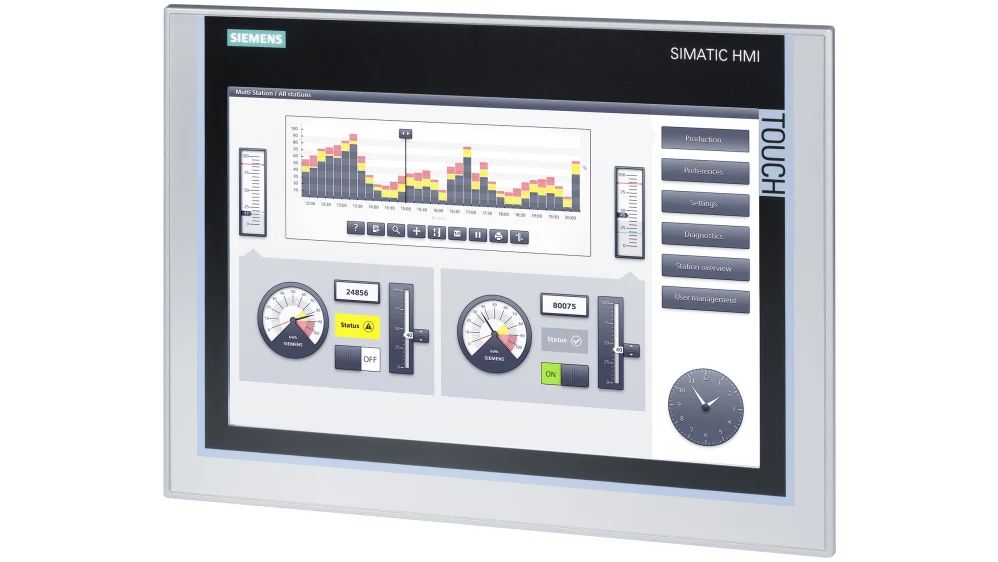
Next-Gen SCADA Systems: Transforming Data into Actionable Insights

Next-Gen SCADA systems have revolutionized the way industries monitor and control their operations. Schneider SCADA makes good control panels for different industries with advanced technology that is efficient and reliable. These systems eliminate the need for manual intervention, allowing organizations to streamline their processes and reduce operational costs.

SCADA is easier for operators to use and understand, with user-friendly interfaces and real-time data. This not only enhances operational efficiency but also ensures timely decision-making for improved productivity.

The integration of Internet of Things (IoT) technology has further revolutionized Next-Gen SCADA, enabling seamless connectivity between various devices and systems. This integration allows for real-time data exchange, remote monitoring, and control of operations, no matter the geographical location.
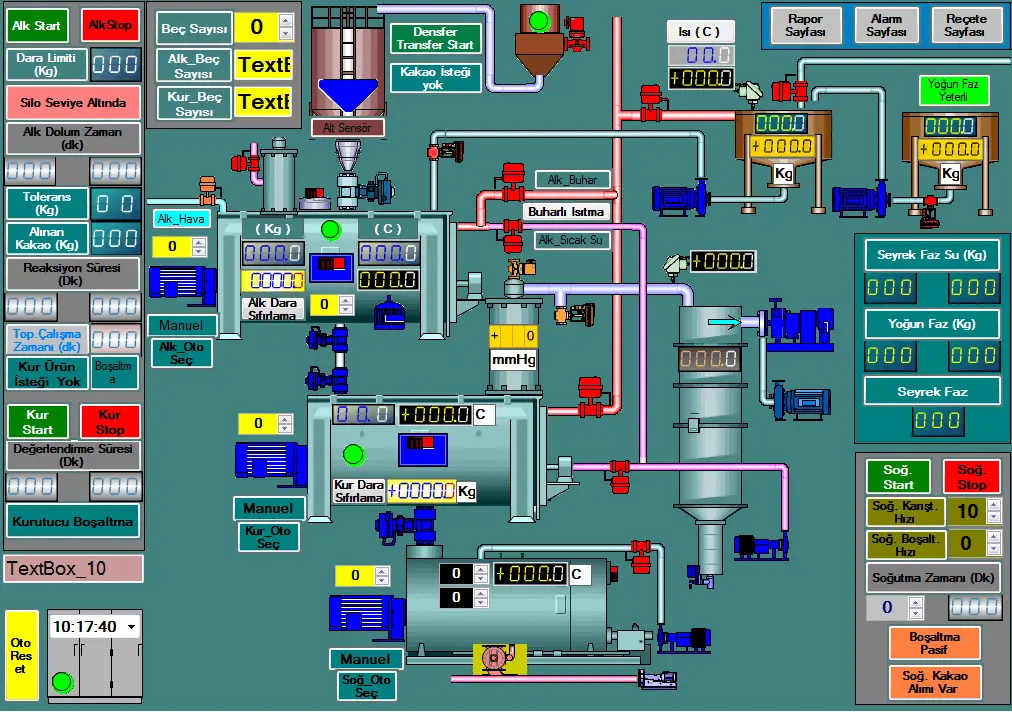
SCADA Systems

Organizations have successfully integrated IoT into their Next-Gen SCADA Control Software. Sectors such as oil, gas, water treatment, and manufacturing utilize these systems. This has resulted in enhanced efficiency, proactive maintenance, and data-driven decision-making.

The ability to collect and analyse data from IoT devices has helped organizations enhance their operations. It has also enabled them to identify issues and implement effective solutions. As a result, overall performance has improved.

SCADA Systems Key Features and Innovations

Automation control panels installation is a crucial aspect of any SCADA Control System. A well-designed and properly installed control panel ensures seamless operation and efficient control of various processes. It withstands harsh environmental conditions and offers easy access to various components for maintenance and troubleshooting.

The HMI control panel’s design is important for user experience, allowing operators to monitor and control processes well. With intuitive interfaces and clear visualization, operators can quickly identify anomalies and make informed decisions.

Control panel fabrication is important for a SCADA success, along with installation. Quality fabrication ensures that the panels are built to meet specific requirements, including size, materials, and functionality. This process involves precision engineering, electrical wiring, and thorough testing to ensure optimal performance and reliability.

As technology advances, SCADA continue to evolve with innovative features. One such innovation is the integration of IoT, which allows for seamless connectivity between devices and sensors. Real-time data collection and analysis enable better decision-making and improved process optimization.

With the ability to monitor multiple devices and sensors simultaneously, operators can easily detect and address issues before they cause disruptions. Furthermore, the use of artificial intelligence (AI) in SCADA is becoming increasingly prevalent. AI algorithms can analyze vast amounts of data and identify patterns, anomalies, and potential risks.

This not only enhances the overall efficiency of the system but also facilitates predictive maintenance, reducing downtime and extending the lifespan of equipment. The integration of AI in SCADA holds immense potential for improving productivity, reducing costs, and enhancing operational performance.

Enhanced Cybersecurity Measures in SCADA Systems

Addressing security concerns in SCADA is of utmost importance in today’s digital landscape. With the increasing reliance on industrial remote monitoring and control systems, it becomes imperative to safeguard critical infrastructures from potential cyber threats.

SCADA systems play a crucial role in various industries, including industrial power distribution panels and integrated control and safety systems. Therefore, ensuring the security and integrity of these systems is paramount for smooth and safe operations.

To address security concerns in SCADA, several measures can be adopted. First and foremost, implementing robust access control mechanisms is essential. This involves stringent authentication and authorization processes to ensure that only authorized personnel can access and modify the system.

Additionally, employing encryption techniques for data transmission and storage can safeguard sensitive information from unauthorized access. Creating a strong firewall and keeping it updated with security patches is important for improving SCADA system security. Regular security audits and vulnerability assessments can also identify any potential weaknesses and prompt necessary actions to mitigate risks.

IoT Integration with SCADA Systems for Seamless Connectivity

The integration of Internet of Things (IoT) technology in Next-Gen SCADA Systems has revolutionized the industrial landscape. As SCADA systems continue to evolve, IoT offers the potential for seamless connectivity between devices and applications, enhancing data acquisition and control. This integration allows for real-time monitoring and data exchange, resulting in more efficient and responsive operations.

One key aspect of IoT integration in SCADA systems is the ability to leverage data analytics. SCADA systems analyze data from connected devices to provide valuable insights because of the large data volume.

Operators can use advanced analytics to understand processes and make data-driven decisions using machine learning and AI. This data analysis not only enhances operational efficiency but also enables predictive maintenance and proactive troubleshooting to prevent potential issues.

Case Studies: Successful Implementations

Successful implementations of next-gen SCADA systems have been observed in various industries, showcasing the advancements and benefits they bring to industrial automation. One notable key aspect that has contributed to their success is the integration of cloud technology. By harnessing the power of cloud computing, these SCADA systems have experienced improved scalability and flexibility.

Cloud integration in industrial automation allows for efficient data storage, analysis, and processing, resulting in better decision-making capabilities for businesses. Real-time data can be securely transmitted and accessed from anywhere, enabling remote monitoring and control. Furthermore, cloud integration enables seamless collaboration between different stakeholders, enhancing overall operational efficiency in industrial processes.

Another critical element that has been pivotal in the success of next-gen SCADA systems is the implementation of edge computing. This innovative approach involves transferring data processing and analysis closer to the source, reducing latency and ensuring real-time insights.

Edge computing empowers SCADA systems to handle large volumes of data efficiently, allowing for optimized control and monitoring. Additionally, edge computing improves the response time of SCADA systems, enabling rapid action and reducing downtime in industrial processes.

Furthermore, leveraging edge computing for real-time processing enhances the overall reliability and performance of SCADA systems, making them more resilient in challenging operational environments.

Addressing cybersecurity challenges is of paramount importance for successful SCADA system implementations. As SCADA systems become more interconnected and integrate with various other technologies, the risk of cyber-vulnerabilities increases. To ensure the security and integrity of next-gen SCADA systems, robust cybersecurity measures must be implemented.

This involves adopting multi-layered security protocols, including firewalls, intrusion detection systems, encryption, and access control mechanisms. Additionally, regular security audits and updates are crucial to identify and address potential vulnerabilities. By prioritizing SCADA cybersecurity, organizations can mitigate the risks associated with cyber threats, ensuring the smooth and secure operation of their industrial processes.

Challenges and Solutions in Next-Gen SCADA

SCADA (Supervisory Control and Data Acquisition) systems have revolutionized industrial operations by providing real-time monitoring and control capabilities. However, the integration of IoT technology into SCADA networks has presented both challenges and solutions.

One of the key challenges is the synergy between IoT and SCADA. IoT sensors collect and analyze data. However, integrating them into SCADA networks requires careful consideration. This is necessary to address compatibility and security concerns.

Ensuring that IoT devices can seamlessly communicate with SCADA systems while maintaining the integrity and confidentiality of data is crucial.

Moreover, the advent of IoT sensors in SCADA networks has also raised concerns regarding network scalability. With an increasing number of IoT devices being deployed, scalability becomes a significant challenge for SCADA systems. Designing a network infrastructure that can accommodate the growing IoT ecosystem while maintaining optimal performance is essential.

Additionally, the utilization of AI in predictive maintenance is another solution to address the challenges in next-gen SCADA systems. By using AI algorithms to analyze data collected from IoT sensors, predictive maintenance can be carried out, enabling proactive decision-making and reducing downtime.

AI algorithms can identify potential equipment failures or performance issues, allowing operators to take preventive measures before costly breakdowns occur.

In conclusion, careful planning and implementation can overcome the challenges associated with IoT integration and network scalability in next-gen SCADA systems. Combining IoT and SCADA, along with using AI for predictive maintenance, are important for solving these problems.

As the industrial landscape continues to evolve, it is imperative that SCADA engineers remain proactive in finding innovative solutions that ensure the efficiency, security, and reliability of next-gen SCADA systems.

Role of AI in Next-Gen SCADA Systems

Machine learning and artificial intelligence (AI) have emerged as crucial components in the advancement of next-generation SCADA systems. By leveraging AI algorithms and techniques, these systems are able to adapt and optimize their operations dynamically, resulting in enhanced efficiency and performance.

One key area where AI has proven particularly beneficial is machine learning in SCADA. SCADA systems use smart algorithms to analyze lots of data quickly. They can find patterns, make predictions, and spot any unusual things that might mean there are problems or risks.

SCADA case studies have demonstrated the effectiveness of incorporating AI into next-gen systems. AI algorithms analyze past water data to find patterns indicating a potential pipe burst or abnormal usage. This early detection enables proactive maintenance, reducing downtime and minimizing potential damage.

Additionally, integration challenges have long been a concern in SCADA systems, particularly when implementing AI technologies. However, advances in technology and connectivity options have significantly facilitated the integration of AI algorithms into existing SCADA systems, allowing for seamless compatibility and cooperation between the two domains.

Overall, the role of AI in next-gen SCADA systems is crucial for enabling intelligent decision-making and automation. By leveraging machine learning algorithms and analyzing extensive amounts of data, these systems can identify patterns, predict future outcomes, and improve overall operational efficiency. While challenges in integration persist, ongoing technological advancements continue to pave the way for seamless AI integration into SCADA systems, offering tremendous potential for further advancement in the field.

Training and Skill Development for Engineers

Scalability and flexibility in industrial automation have become crucial factors in the modern world of SCADA systems. As technology continues to advance rapidly, it is imperative for engineers to stay updated with the latest trends and developments in the field.

SCADA engineer training plays a vital role in ensuring that professionals have the necessary skills and knowledge to design, implement, and maintain efficient and secure SCADA systems.

Future SCADA systems will focus more on integrating new technologies like AI and machine learning. Engineers must have the skills to use and benefit from these technologies in SCADA systems.

Training programs should improve engineers’ ability to adapt to new technologies, keeping them innovative in the industry. Organizations can train and develop a skilled team of engineers. This team will be able to easily handle advanced SCADA systems. Offering training and skill development opportunities is the key to achieving this.
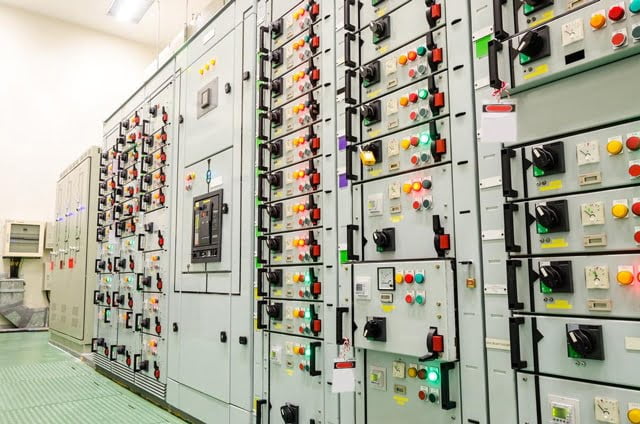
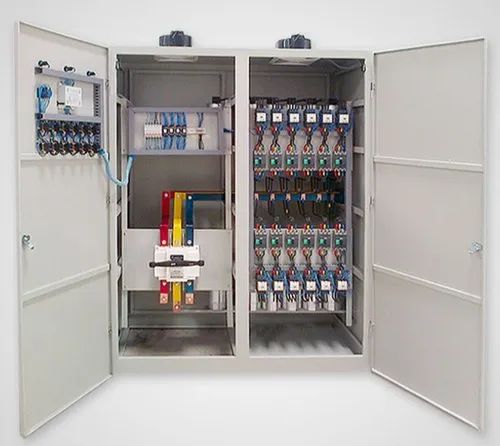
Optimizing Industrial Processes: A Deep Dive into Advanced Automation Control Panel Design

Advanced Automation Control Panel Design

Industrial automation control panel design is the creation and engineering of control panels used in industrial settings. These panels are crucial in regulating and monitoring various automated processes in industries such as manufacturing, energy, and transportation. Through their design, automation control panels ensure efficient and reliable operation of industrial systems, leading to improved productivity and cost-effectiveness.

Automation control panel design holds immense importance in today’s industrial landscape. These panels control and coordinate equipment and processes in industries, acting like the central nervous system.

The control panel design enables real-time monitoring, fault detection, and timely intervention. Advanced technologies such as industrial remote monitoring and power distribution panels make this possible. This results in reduced downtime and optimized performance, enhancing operational efficiency and profitability for industries across sectors.

The role of advanced design in optimizing industrial processes

Advanced design plays a crucial role in optimizing industrial processes by ensuring efficient control panel fabrication and industrial control panel wiring. With technological advancements, designing control panels has become more sophisticated, offering numerous benefits. Advanced design techniques enhance the integration of various components, resulting in streamlined operations and improved performance. By utilizing advanced design strategies, engineers can reduce the complexity of industrial processes, leading to increased productivity and cost-effectiveness.

Furthermore, advanced design enables the integration of industrial remote monitoring systems, allowing operators to remotely monitor and control the processes. This capability promotes real-time data acquisition, analyzing, and decision-making, leading to enhanced efficiency and reduced downtime.

Industrial remote monitoring systems help with predictive maintenance, identifying and solving problems before they happen, improving industrial processes.

Industries can use automation and control systems to improve efficiency, accuracy, productivity, safety, and compliance.

Key Components of Advanced Control Panel Design

Key components in control panel design ensure optimal performance and efficiency in industrial processes. Firstly, the installation of a SCADA (Supervisory Control and Data Acquisition) system is a paramount aspect. SCADA Systems enable live monitoring and control of processes and equipment, offering valuable data for better decision-making.

SCADA System
SCADA System

With the integration of SCADA, operators can remotely monitor and control multiple systems from a centralized location, enhancing productivity and reducing downtime. Moreover, SCADA troubleshooting capabilities enable quick identification and resolution of issues, minimizing the impact on operations.

Another vital component of advanced control panel design is the implementation of custom HMI (Human-Machine Interface) solutions. The HMI acts as the interface between operators and the industrial automation system, facilitating user-friendly and intuitive control and monitoring.

By tailoring the HMI to specific industry requirements, operators can easily interact with the control panel and access critical information in a clear and organized manner.

Custom HMI solutions enhance operator efficiency by providing real-time updates, alerts, and visual representations of data, enabling quick and informed decision-making. Additionally, advanced HMI features such as remote access capabilities improve accessibility and flexibility, allowing operators to monitor and control processes from multiple locations.

SCADA Integration Strategies

SCADA integration strategies play a crucial role in optimizing industrial processes, especially in the realm of manufacturing remote monitoring. In order to achieve seamless data acquisition and supervision, it is essential to design a robust industrial power distribution panel that can handle the complex requirements of SCADA systems.

This entails careful consideration of factors such as power load, voltage levels, and the integration capabilities of the control panel. Furthermore, automation experts should ensure efficient PLC installation and commissioning to facilitate smooth communication between the SCADA system and the various field devices. By implementing the appropriate SCADA integration strategies, manufacturers can gain real-time insights into their operations, leading to improved productivity and cost savings.

One key aspect of SCADA integration strategies is the effective use of human-machine interface (HMI) technologies. The HMI acts as the bridge between human operators and the SCADA system, allowing users to interact with the control panel and monitor critical processes.

With innovative HMI advancements, operators can access real-time data, visualize complex algorithms, and make informed decisions. Incorporating user-friendly interfaces with advanced features like touchscreens and intuitive dashboards enhances the efficiency and effectiveness of operation.

Additionally, ensuring compatibility between the SCADA package and the chosen HMI system is crucial for seamless integration and optimal system performance. Intuitive and user-centric HMI design brings clarity to process visualization and enhances operator productivity, resulting in more streamlined and responsive industrial processes.

Human Machine Interface (HMI) Innovations

Human-Machine Interface (HMI) innovations play a crucial role in enhancing the efficiency and user experience of industrial automation control panel design. The HMI connects operators to complex machinery in advanced control system design.

Human Machine Interface

HMIs have changed from basic buttons to advanced touchscreens with easy navigation and live data display, thanks to new technologies. This not only improves operator productivity but also allows for quicker identification and troubleshooting of issues, leading to minimized downtime and increased overall productivity.

Additionally, with the integration of PLC programming optimization, HMIs enable seamless communication between operators and the industrial equipment, resulting in streamlined processes and improved decision-making capabilities.

In recent years, there have been notable innovations in HMI design that further enhance the user experience and optimize industrial processes. One such innovation is the incorporation of multi-touch functionality, allowing operators to perform multiple actions simultaneously, such as zooming, rotating, and scrolling.

This intuitive feature enhances the ease of use and increases the responsiveness of the control panel, enabling operators to quickly navigate through complex systems. Furthermore, advanced HMI designs now offer customizable dashboards and widgets, allowing operators to personalize their display and access key information at a glance.

With such user-friendly interfaces, industrial automation control panel design can significantly improve operator efficiency and productivity, making them an essential component of any modern control system.

Ensuring Safety and Compliance

Ensuring safety and compliance is a critical aspect of control panel design that should not be overlooked. By following SCADA integration best practices, industrial process efficiency can be improved while maintaining a high level of safety and compliance.

One of the key considerations in ensuring safety and compliance is the use of advanced control panel innovation. By incorporating innovative technologies such as fault detection and diagnostic systems, operators can quickly identify and address any potential issues that may arise. This not only increases the overall safety of the system but also helps to minimize downtime and improve productivity.

In addition, it is essential to implement comprehensive safety protocols and procedures during the design and installation phase. This can include implementing proper grounding and electrical isolation techniques, as well as incorporating fail-safe mechanisms to prevent any potential hazards.

By adhering to these safety measures, control panel designers can ensure that their systems meet all relevant safety standards and regulations. Remember, the ultimate goal is to create a control panel that not only optimizes industrial processes but also prioritizes the safety and well-being of the operators.

Importance of Cybersecurity in Control Panel Design

Addressing Cybersecurity Challenges, Importance of Cybersecurity in Control Panel Design

With the rapid advancement of automation technology trends, industrial control panel design has become an integral part of optimizing industrial processes. However, along with the benefits that advanced control panel design brings, there is also a pressing need to address cybersecurity challenges. As automation systems become more interconnected, the risk of cyber threats to industrial control systems increases. This is where the importance of cybersecurity in control panel design comes into play, as it ensures the protection of sensitive data and prevents potential disruptions in the industrial processes.

One crucial aspect of control panel design that addresses cybersecurity challenges is the implementation of safety systems. These safety systems are designed not only to protect workers but also to safeguard the control panel and the industrial processes from malicious attacks. Designing control panels with safety in mind involves incorporating security measures that may include authentication protocols, firewalls, and encryption techniques. By ensuring the resilience and integrity of the control panel, cybersecurity for industrial control systems can be effectively enhanced.

Emerging Technologies in Control Panel Design

Emerging technologies play a crucial role in the advancement of control panel design. These cutting-edge innovations not only enhance the functionality and efficiency of industrial processes but also ensure compliance in control panel engineering.

With the rapid evolution of technology, control panel designers are continually exploring new ways to integrate emerging technologies into their designs to meet the increasing demands of modern industrial automation.

One such emerging technology is the use of artificial intelligence (AI) and machine learning algorithms in control panel design. AI control panels can analyze lots of data in real time, helping with maintenance, saving energy, and making systems work better.

By leveraging these intelligent technologies, control panels can adapt to changing operational conditions, making informed decisions and minimizing downtime. AI-powered analytics can easily include compliance standards in the design, making sure control panel systems follow industry rules and guidelines.

A Comprehensive Guide to Control Panel Project Management

Control panel project management involves efficiently coordinating and executing tasks. These tasks relate to the design, engineering, assembly, testing, and documentation of control panels. These panels are important in automation systems, serving as the main hub for monitoring and controlling equipment and processes.

Proper project management is essential for successful outcomes. This is particularly true when using an MCC panel or a PLC control panel to control motors.

Effective control panel project management begins with thorough planning. This phase includes outlining project objectives. It also involves defining the scope and deliverables.

Lastly, it includes creating a detailed timeline. The design and engineering phase turns requirements into technical specs and creates a layout for the control panel.

After that, we obtain and handle the necessary parts to meet the project requirements. Assembly and integration involve building the control panel, connecting components, and integrating with the automation system. Afterwards, we perform rigorous testing and validation to ensure proper functionality and adherence to industry standards.

Control Panel Project Management Comprehensive Guide

Importance of Effective Project Management in Automation

Good project management is important in the automation industry. This is especially true for making and using automation control panels. Automation control panels are highly complex systems. They require meticulous planning, precise execution, and continuous monitoring.

Without efficient project management, the chances of encountering delays, budget overruns, and subpar quality in the completion of control panel projects increase significantly.

Effective project management is crucial in automation control panel projects. It ensures smooth coordination among stakeholders. A well-managed project makes sure that various teams, like design, engineering, procurement, assembly, and testing, collaborate well.

The project manager is the main person in charge. They help with communication, solve problems, and make sure everything is working towards delivering the automation control panel successfully. By managing the project well, the manager can reduce risks, avoid problems, and maintain good quality throughout the project.

Control Panel Project Planning Phase

The Control Panel Project Planning Phase is an essential stage in the overall project management process. In this phase, we carefully consider important factors for successful project execution. The design and engineering of the PLC control panel are important factors to consider.

The design and engineering of the PLC control panel are critical aspects of the project planning phase. It involves creating a comprehensive blueprint that outlines the specifications, functionalities, and components of the control panel. This involves deciding the right panel size, layout, and placement and selecting the appropriate PLC hardware and software.

The design and engineering process includes researching and analyzing to make sure the control panel meets requirements and standards. Project managers can align design and engineering with their goals, ensuring smooth integration and successful control panel implementation.

The design and engineering of the Control Panel Project

Design and engineering are important for making a control panel project efficient and effective. One of the key components of this phase is the design of the VFD control panel, which stands for Variable Frequency Drive. The VFD control panel controls motor speed and torque, giving more control and saving energy.

In addition to the VFD control panel, the design process involves selecting and integrating other components. These components include circuit breakers, relays, meters, and switches. We chose these components based on the specific requirements and specifications of the control panel project.

The engineering team figures out the right wire sizes, cable lengths, and voltage drop to ensure good performance. Thorough design and engineering guarantee that we set up the control panel project for success from the very beginning.

Procurement and Material Management for the Control Panel

Procurement and material management are crucial aspects of control panel project management. The smooth execution of a project heavily relies on the timely availability of the required components and materials. When it comes to control panel projects, one of the key components is the HMI, or Human Machine Interface.

The HMI is a control panel part that allows operators to interact with and control monitored equipment or systems. During procurement, we choose the right HMI for the control panel project, ensuring it works well with the project’s needs.

Effective material management plays a significant role in ensuring the seamless operation of control panel projects. Various components, such as power supplies, circuit breakers, relays, and wiring, compose control panels. We must obtain, monitor, and handle these materials well to prevent any delays or interruptions in the project schedule.

Project managers can ensure they have the materials they need by maintaining an organized inventory and tracking system. This helps to reduce delays and improve project efficiency. Proper material management helps with budgeting and cost control, making sure procurement activities match the project’s financial goals.

Assembly and Integration

Assembly and integration of control panels are critical stages in the process of industrial automation. Once we complete the design and engineering phases, we gather the necessary components and materials for the assembly process. Skilled technicians and engineers work together to meticulously assemble each component, ensuring that all connections are secure and accurate. This stage requires attention to detail and precision to ensure the control panel operates effectively.

Integration involves connecting the control panel to the automation system, such as the industrial automation SCADA system. This step allows easy communication and control between the control panel and other devices or systems in the automation project.

We test and validate the control panel to ensure it works correctly and meets the requirements. This phase is crucial to guaranteeing the safe and efficient operation of the control panel in industrial automation applications.

Testing and validation processes

During the testing and validation phase of a control panel project, it is crucial to ensure that the industrial control panel wiring is functioning correctly and in compliance with the applicable standards and specifications. This phase tests the control panel’s parts and functions to make sure they work correctly.

Testing typically includes various electrical, mechanical, and functional tests to assess the performance and reliability of the control panel. These tests may involve checking the voltage and current levels, verifying the proper sequencing of operations, and confirming that all safety features are in place and functioning correctly.

The validation process ensures that the control panel meets the required industry standards and regulatory requirements, providing assurance that it is safe to use and complies with all necessary guidelines.

Thorough testing and validation can identify and resolve any potential issues or deficiencies with the industrial control panel wiring, ensuring the overall quality and effectiveness of the control panel system.

Project Documentation

Project documentation plays a crucial role in ensuring the smooth execution of control panel fabrication projects. From the initial planning phase to the final implementation, documentation serves as a detailed record of all project activities. This detailed documentation helps track project progress and enables effective communication among all involved stakeholders.

By documenting the project requirements, specifications, and any changes or modifications made along the way, project documentation ensures that the control panel fabrication project stays on track, minimizing the risk of errors or miscommunication.

Furthermore, project documentation serves as a valuable reference for future projects. It provides an organized overview of the control panel fabrication process and acts as a repository of knowledge for the project team. We document any lessons learned, best practices, or recommendations to improve future projects.

Additionally, project documentation also plays a crucial role in compliance, as it provides evidence of adherence to quality standards, regulations, and industry guidelines. With well-documented project documentation, control panel fabrication projects can achieve greater efficiency, minimize risks, and maintain a continuous improvement process.

Project Monitoring and Control

During the project monitoring and control phase, it is crucial to closely track the progress and performance of the control panel project. This involves regularly monitoring the project activities, analyzing their results, and adjusting the project plan as needed. We closely monitor key metrics such as project schedule adherence, cost variance, and resource utilization to ensure the project stays on track and meets its objectives.

One important aspect of project monitoring and control is risk management. This includes finding risks that could affect the project, evaluating their impact, and creating plans to reduce their impact.

By actively monitoring and managing risks throughout the project, the control panel’s project team can proactively address challenges and prevent any potential issues from derailing the project’s success.

Project monitoring and control requires good communication and teamwork to make sure everyone is working together towards the project’s goals. Regular meetings and updates keep everyone informed and enable timely decision-making for project issues or changes.

WhatsApp