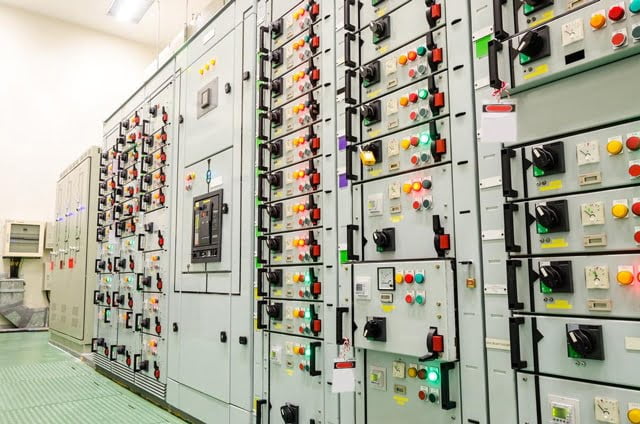
Safety Standards and Compliance in Control Panel Design

Safety Standards and Compliance in Control Panel Design is very important for modern day industrial processes. Automation control panel safety rules protect people and machines in different industries. Following these standards lowers the risk of failures, malfunctions, and accidents with serious consequences.

Industrial manufacturing and production have embraced the advent of automation with open arms. Optimizing industrial processes with automation control panels has been a game-changer, providing unprecedented efficiency and output. The industry faces new challenges in updating safety standards for automated machinery and processes because of progress. Recognizing these challenges emerges as a prerequisite for progress, prompting an urgent need for constant adaptability and evolution in safety regulation and adherence.

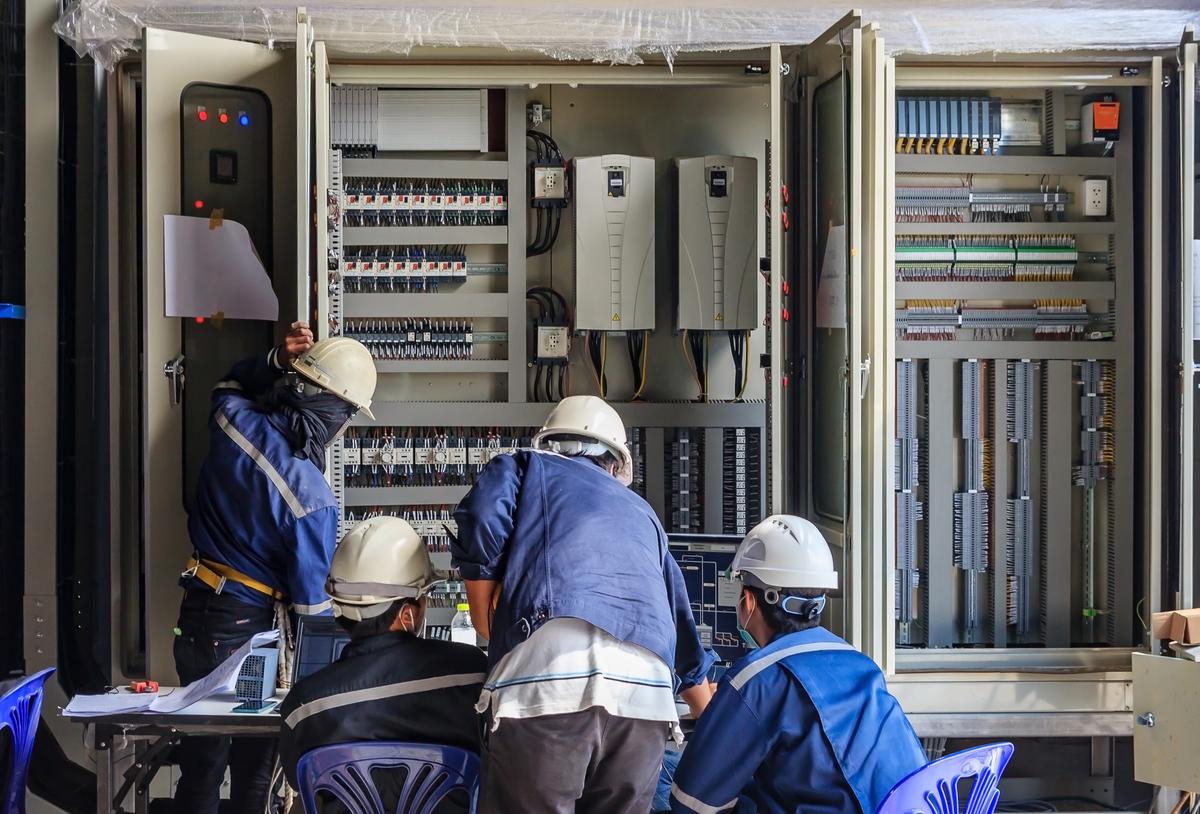
Industrial automation control panels contain electrical devices and control devices. Because of the different types of components, several standards and regulations apply to ICP design, production, and installation. The automation control panel must comply with these standards to ensure safety and performance.

Best Practices for Industrial Control Panels Safety Standards

Regarding ensuring the proper design of industrial control panels and adhering to best practices, several key guidelines are crucial to follow. These practices help ensure the safe and efficient operation of control panels, which are vital in various applications and industries.

General Practices:

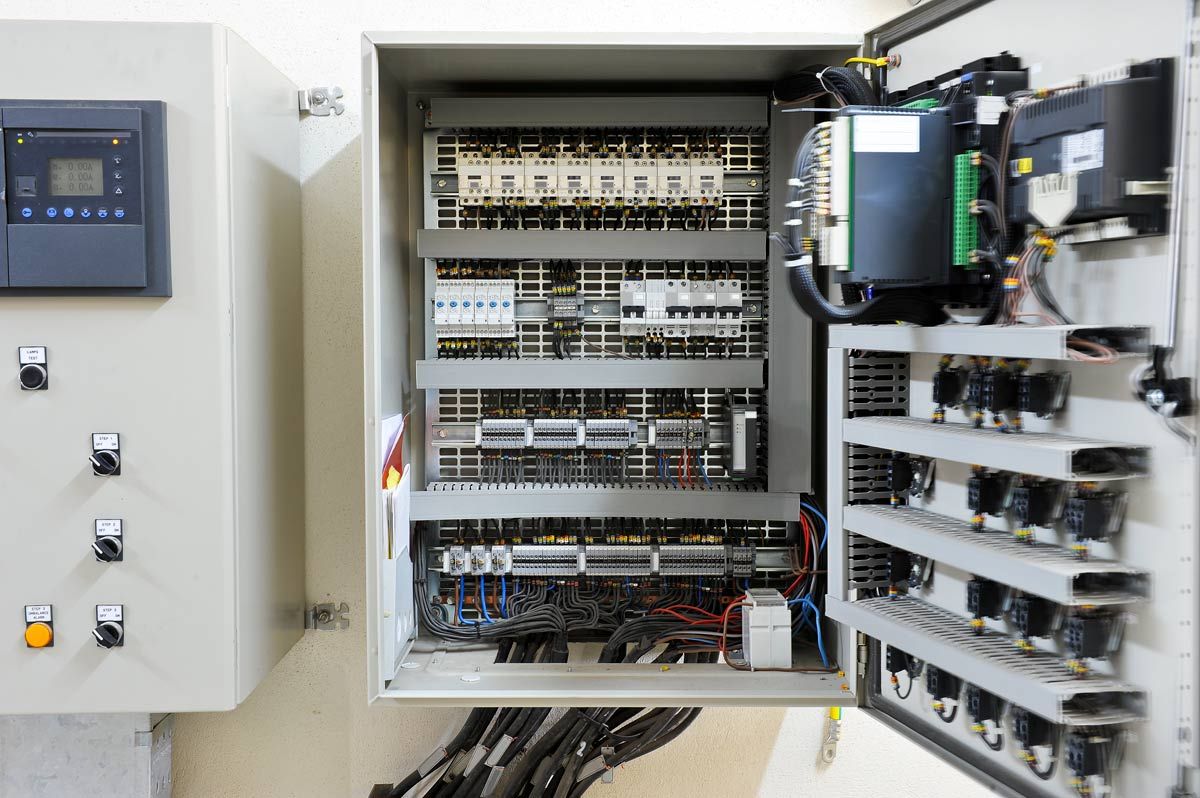
  • Ensure the control panel has adequate space to accommodate all devices and leave enough gaps between them when necessary. Proper spacing between components enhances heat dissipation and facilitates future additions.
  • Size wire trays and ducts appropriately, considering the amount and size of the cables that must pass through them.
  • It’s important to label both devices and wires within the panel. Quick identification and wire tracing are highly valuable for troubleshooting and maintenance.

Electrical Practices:

  • Proper electrical grounding is essential. Adhere to grounding rules outlined in standards and apply high safety factors when possible. Incorrect grounding is a major cause of control device failures.
  • Where feasible, include auxiliary circuit breakers and fuses. It’s preferred to split power branches within the control panel if space allows it.
  • Use shielded cable to reduce electromagnetic interference.
  • Keep sensitive devices and wires separate from high-power elements to prevent electromagnetic noise from affecting signal transmission.
  • Install labels and warnings as mandated by the standards, and consider additional warnings for residual risks.

Wiring Practices:

  • Design control panels using CAD tools that optimize wiring routes, which can lead to material and time savings.
  • Run wires vertically or horizontally, avoiding diagonal runs and wires in front of devices.
  • Whenever possible, use stranded wire, which dissipates heat better and is more flexible than solid wire.
  • Leave sufficient wire slack for future adjustments, and ensure that wire slack is neatly concealed under the main wireway, avoiding routes near devices.

These best practices are essential for designing control panels that not only meet safety and regulatory standards but also contribute to efficient operations across various applications and industries.

Understanding safety standards

Automation control panels are the cornerstone of modern industrial operations, serving as the central nervous system for critical processes. These control panels have evolved beyond mere hardware configurations, now relying heavily on advanced software and technology. To ensure the safety of personnel, assets, and the environment, companies must adhere to stringent safety regulations that govern the proper functioning of these systems.

The design of automation control panels necessitates a keen focus on safety and rigorous regulatory compliance. Industry-specific regulations are pivotal in shaping these compliance requirements, directly impacting safety within industrial environments.

These safety regulations encompass a wide spectrum, ranging from exacting standards for industrial control panel wiring to meticulous guidelines for machine operation and maintenance schedules. The ultimate aim of these regulations is to engineer a final product that operates consistently and securely under all conditions, mitigating potential risks and hazards. However, it’s important to recognize that understanding and implementing these safety regulations is a comprehensive and meticulous process, demanding a high level of expertise.

It becomes evident that key factors such as automation control panel installation, testing and setup play pivotal roles in achieving these stringent safety standards and ensuring compliance. These factors are not only integral components but also critical stages in the meticulous process of automation control panel design and implementation.

Regulatory compliance requirements

In every industry, adhering to safety requirements is not just a matter of choice; it is a mandatory component tied to the operation’s legitimacy. With changing landscapes and technological advancements, these stipulations evolve, requiring firms to stay updated and compliant. Having a strong focus on these rules ensures the safety of employees and contributes to the overall productivity of the operation.

At the epicenter of many businesses lies a crucial component: the control panel. Regulators heavily enforce control panel safety due to its importance in protecting workers from potential hazards. Failing to follow these safety standards can lead to significant penalties, including fines and an operational shutdown.

To achieve safety compliance, everyone in the organization, from top executives to frontline workers, must understand the rules and follow them. Each employee has an important role in maintaining a culture of safety compliance.

Common Safety Challenges

In industrial settings, safety is of utmost importance. Companies in various sectors, such as construction, manufacturing, and energy, face numerous daily safety challenges. Achieving safety in these environments is not merely a checklist item; it requires continuous and vigilant efforts in reviewing, implementing, and monitoring safety standards.

Risk assessment plays a crucial role in this process, serving as an essential tool to identify hazards and control measures. Its significance, however, does not reduce the safety challenges that industries face. These challenges often have roots in factors such as outdated equipment, human error, improper training, or unanticipated accidents. Overcoming these obstacles is central to ensuring that every worker operates within a safe and secure work environment, and industries must adopt comprehensive and proactive safety measures.

Importance of Risk Assessment

In any industry or field, comprehensive risk assessment is pivotal to maintaining safety and health standards. Primarily, it aids in identifying potential hazards in the work environment before they can culminate into significant risks.

Companies use safety regulations to formulate strategies and enforce safety guidelines, creating a safer work environment. For instance, in a manufacturing facility with complex machinery, strict implementation of control panel safety measures identified during risk assessment reduces the risk of accidents and equipment failures, improving worker safety and equipment durability.

Risk assessment also promotes proactive adherence to safety standards rather than a reactionary stance. Detection and rectification at the nascent stage become easier and more cost-effective than post-damage recovery. The rope between safety regulations and risk assessment forms the cornerstone of occupational safety. Precisely predicting and preventing threats makes adhering to safety guidelines organic rather than enforced, which not only safeguards employees but transforms the workspace into an environment fostering growth, optimism, and productivity.

Case Studies

A daunting incident demonstrating the importance of safety in manufacturing occurred at a steel factory in Michigan in 2019. Due to insufficient adherence to control panel safety standards, a catastrophic system failure triggered an immense blast, injuring several workers and halting production for weeks. The comprehensive investigation following the accident underscored the criticality of stringently observing established protocols and rules for equipment safety.

In another case study on safety compliance, a top electronics company in Silicon Valley gained recognition for its diligent adherence to control panel design regulations. They integrated cutting-edge safety features, significantly reducing the risk of workplace accidents and boosting productivity. Independent safety inspectors audited and verified the company’s exceptional safety standards, establishing them as an industry benchmark.

Innovations in safety

Advancements in technology have spurred the development of innovative solutions to address the ever-evolving landscape of safety standards and requirements. Notably, adding data analytics and machine learning tools to safety assessment processes makes the picture of possible risks bigger and more complete. This efficient use of technology significantly improves the accuracy of identifying safety needs and issues, minimizing human error, and reducing biased or subjective interpretations.

Over recent years, many industries have streamlined safety protocols and mitigated risks associated with their operations using automated safety systems. These automated processes ensure consistency and reliability in maintaining safety standards, enhancing the credibility of safety certifications. Critical to the operational integrity of many industries, these certifications validate the effective implementation of necessary safety measures. By leveraging these cutting-edge technologies, companies are significantly bolstering their safety strategies, further protecting their staff and stakeholders.

Training and education

Investing in human capital through educational initiatives and advanced training programs has become an indispensable strategy for lowering incidences of workplace hazards and improving compliance with safety standards.

These programs often involve profound engagement with safety audits, a systematic method for identifying potential shortcomings and areas for improvement in a business’s or organization’s safety protocols. Safety audits not only provide a detailed analysis of the existing safety norms but also highlight the areas that require special attention to ensure a safer and healthier workspace.

Many training programs take a practical approach by using case studies to teach safety compliance. These real-life examples offer a clear view of common safety challenges and effective solutions, making abstract concepts more understandable and leading to stronger workplace safety measures.

Safety, like control panel design, is an evolving field with significant technological advancements. Therefore, comprehensive training and education should include these new techniques to empower workers with the skills for safe and efficient operations.

The development and implementation of safety standards in operations is not a destination but a continuous journey. It demands the dedication of all stakeholders, from the most junior employees to executives. Organizations increasingly recognize that an effective safety standard process is ongoing and evolving rather than a static system. It is about welding together the human element and technology in a symbiosis that fosters a culture of safety.
Integration of PLCs in Automation Control Panels

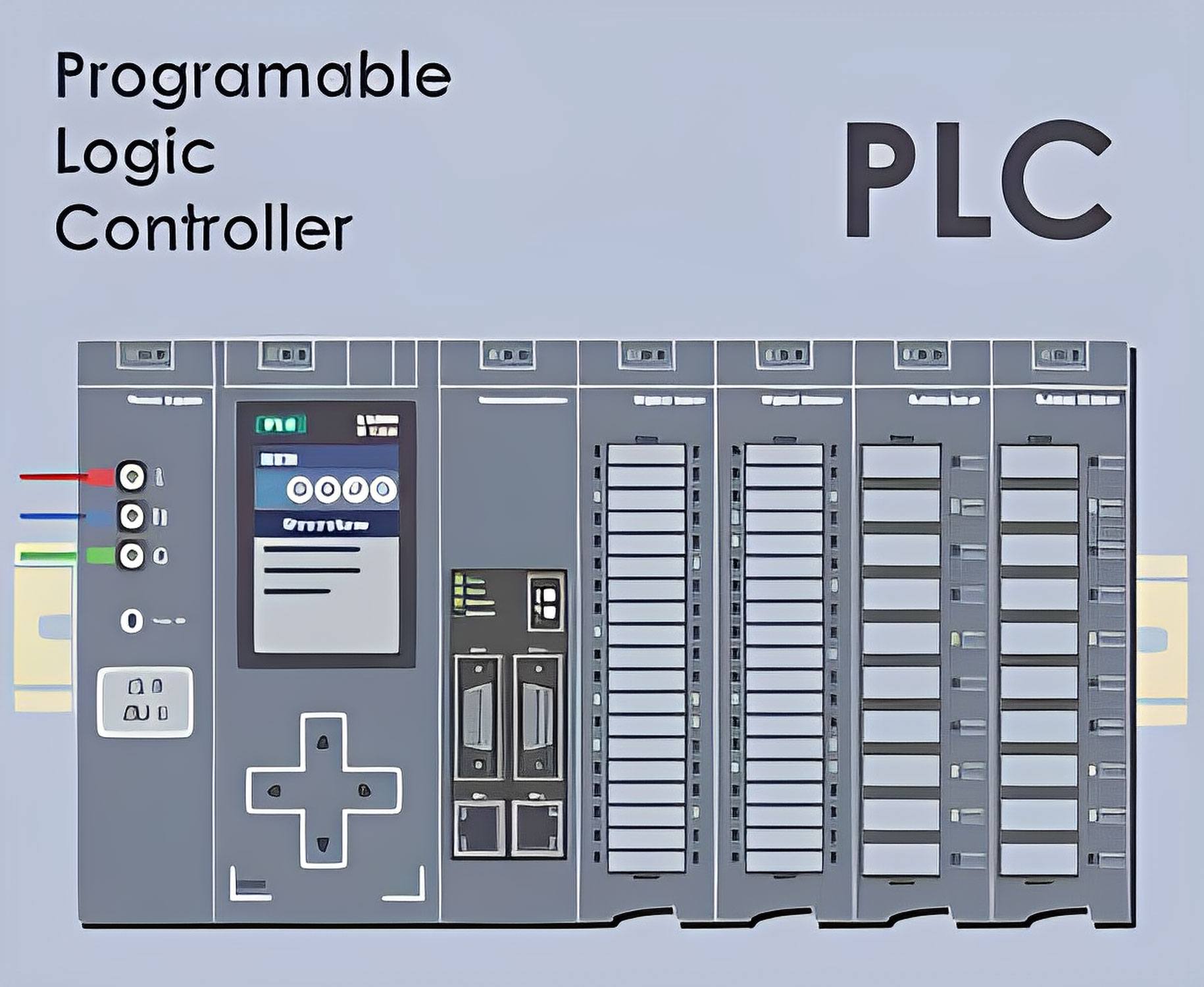
Programmable Logic Controllers (PLCs) have revolutionized the way industrial automation is carried out. These devices, which act as the brains of the operation, provide precise and reliable control over a wide range of processes. With their ability to monitor and manage multiple inputs and outputs simultaneously, PLCs have become integral to Automation Control Panel integration in various industries.

Control panel integration integrates all the necessary components of an automation control system into a single panel. This includes the PLC and other devices such as relays, switches, and sensors. By consolidating these components, control panel integration simplifies the overall system design and allows easier maintenance and troubleshooting. Integrating PLCs in control panels ensures seamless communication between different system parts, enabling efficient and accurate control over industrial processes.

Fundamentals of PLCs

PLC programming forms the core of automation systems, allowing for precise control over industrial processes. Using dedicated software, engineers write logic control programs that dictate the behaviour of Programmable Logic Controllers (PLCs). These programs, written in a language specific to PLCs, trigger various actions and responses based on input signals and predefined conditions. By understanding the fundamentals of PLC programming, engineers can design efficient and reliable control systems that meet the specific requirements of different industries.

To comprehend the role of PLC programming, it is important to familiarize oneself with the components of control panels. Control panel components provide the physical interface between the PLC and the industrial equipment it controls. These include input devices such as sensors and switches that detect changes in the environment and output devices like motors and actuators that execute specific actions. Additionally, control panels consist of various interface devices, such as Human-Machine Interfaces (HMIs), which enable operators to monitor and interact with the system. In combination with PLC programming and logic control, control panel components play a crucial role in ensuring seamless automation processes.

Components of Automation Control Panels

Input and output devices are integral components of automation control panels. These devices allow the PLC to receive information from the system and provide commands to the various components. Common input devices include sensors, switches, and keypads, while output devices include indicators, actuators, and displays. The selection of these devices is crucial to ensure efficient communication between the control panel and the system it monitors or controls.

Wiring and connections play a critical role in the functionality of automation control panel. The wiring within the control panel must be carefully planned and executed to ensure proper connections between the PLC and the input and output devices. This includes using appropriate cables, connectors, and terminal blocks. Efficient wiring design and organization contribute to the control panel’s overall functionality and reliability and facilitate troubleshooting and maintenance tasks. By following industry standards and best practices, control panel manufacturers can ensure that the wiring and connections are robust and optimized for efficient automation control.

PLC Integration in Control Panels

Scalability is a crucial aspect to consider when integrating PLCs in control panels. The ability to scale the control panels according to the system’s needs ensures optimal performance and efficiency. PLC integration allows for flexibility in expanding or reducing the control panel size based on the application’s requirements. This scalability not only enhances the functionality of the control panels but also provides cost-effective solutions.

Safety measures and compliance standards also play a significant role in the integration process. PLC integration in control panels aims to ensure the safety of both operators and equipment. The risk of accidents and potential hazards can be minimized by incorporating various safety features such as emergency stop buttons, safety interlocks, and fault detection systems. Compliance with industry standards and regulations further ensures that the control panels are designed, installed, and operated safely and reliably. The integration of PLCs allows for seamless integration of safety measures and compliance standards, thus enhancing the overall operational efficiency of the control panels.

Programming and Logic in PLCs

Case studies in automation have highlighted the crucial role of programming and logic in PLCs. These case studies have demonstrated the versatility and effectiveness of PLC programming languages, especially ladder logic. Ladder logic, a graphical representation of electrical circuits, is widely used in PLC programming due to its simplicity and ease of understanding. With ladder logic, programmers can easily create and modify logic functions, making it an efficient tool for developing control algorithms. Using case studies allows engineers to learn from real-world examples and apply best practices in their programming projects.

In addition to ladder logic, PLC programming languages such as structured text, function block diagram (FBD), and sequential function chart (SFC) are also commonly used in various automation applications. Each programming language offers its advantages, depending on the complexity and requirements of the control system. For instance, structured text provides a high level of flexibility, enabling programmers to write complex algorithms using familiar programming syntax. On the other hand, FBD and SFC offer a visual representation of control logic, making it easier to design and troubleshoot the PLC programs. Engineers can select the most suitable approach for their specific automation tasks by understanding and utilizing the different programming languages.

Advantages of PLC Integration

Automation efficiency is one of the key advantages of PLC integration. By incorporating programmable logic controllers into control panels, companies can streamline their production processes, reducing the need for manual intervention. This not only improves productivity but also minimizes the risk of human error. The automated systems can perform tasks accurately and consistently, leading to increased efficiency in operations.

Practical applications of PLC integration can be seen across various industries. From manufacturing and automotive to food and beverage, PLCs are crucial in optimizing processes and enhancing productivity. These systems can control and monitor equipment, manage inventory, and handle complex tasks like data analysis and predictive maintenance. As industries increasingly embrace the concept of Industry 4.0, PLC integration becomes even more pivotal in achieving smart factories and efficient supply chain management.

Safety and Compliance

Safety and compliance are crucial considerations in integrating PLCs within control panels. With the advent of IoT in control panels, ensuring the safety of operations becomes even more essential. However, some challenges arise when incorporating PLCs into automation systems. These challenges may include compatibility issues, communication protocols, and the need for specialized training to operate and maintain the integrated system. Despite these challenges, there are ways to mitigate them and ensure safety and compliance in automation. Potential risks can be identified and addressed by conducting thorough risk assessments, implementing safety measures, and adhering to industry standards and regulations. Additionally, providing comprehensive training programs for operators and maintenance personnel can enhance their understanding of the integrated system, ultimately minimizing the chances of accidents or non-compliance issues. Overall, safety and compliance must be prioritized in all aspects of PLC integration to ensure automation control panels’ efficient and secure functioning.

Case Studies

As industrial automation continues to evolve, case studies provide valuable insights into the application of PLC integration in real-world scenarios. One such case study involves the implementation of emerging trends in PLC technology. By leveraging the latest advancements in PLC systems, a manufacturing plant achieved enhanced efficiency and productivity in its production line. Integrating advanced features, such as improved communication protocols and faster processing speeds, allowed for seamless manufacturing process control and monitoring. IoT integration in industrial automation also optimizes operations by connecting various machines and devices, enabling real-time data collection and analysis. These case studies highlight the importance of staying current with the latest PLC technologies and embracing new possibilities for improved industrial control systems.

Another noteworthy case study demonstrates the benefits of PLC integration in industrial control systems. In a chemical processing plant, implementing PLC technology transformed their operations by providing precise control and monitoring capabilities. The plant achieved enhanced safety, reduced operational costs, and improved product quality by utilizing PLCs to control critical parameters, such as temperature, pressure, and flow rates. The flexibility and programmability of PLCs allowed for seamless integration with other control components, such as sensors and actuators, ensuring optimal performance and reliability. This case study is a testament to the significant impact of PLC integration in industrial control systems, emphasizing the importance of adopting this technology to drive operational excellence in various industries.

Future Trends in PLC Integration

Automation control panel design is constantly evolving to meet the demands of modern industries. As technology advances, the integration of PLCs becomes more sophisticated and efficient. One of the future trends in PLC integration is artificial intelligence (AI) integration. AI has the potential to enhance the capabilities of PLCs by enabling them to learn and adapt to changing conditions in real time. This can lead to improved efficiency, reduced downtime, and increased productivity in industrial processes.

Another future trend in PLC integration is the integration of cloud computing. With the increasing popularity and accessibility of cloud-based platforms, integrating PLCs with the cloud allows for remote monitoring and control of automation systems. This enables operators to access real-time data and make informed decisions from anywhere. Additionally, cloud integration facilitates data analytics, allowing companies to gain valuable insights and optimize their operations. This trend holds great potential for industries seeking to improve efficiency, reduce costs, and enhance overall performance.

Challenges and Considerations

One challenge when integrating PLCs into control panels is the compatibility of different systems. As automation technology continues to advance, there is a wide range of PLCs available from various manufacturers. These PLCs may have different programming languages and software, which can create compatibility issues. This requires careful planning and consideration during the integration process to ensure that all components work seamlessly together.

Another consideration when integrating PLCs is the need for regular maintenance and updates. PLCs are complex electronic systems that require ongoing monitoring and maintenance to ensure they are functioning properly. This includes checking for any software or firmware updates and addressing any issues that may arise. Additionally, as technology continues to evolve, there may be a need to upgrade or replace PLCs to keep up with the latest advancements. This requires careful planning and budgeting to ensure the integration is future-proof and adapts to changing needs.

Optimizing Industrial Processes with Automation Control Panels

Automation control panels are essential in modern industries. They control and monitor processes in manufacturing facilities, making automation and efficiency better. These panels have different components like human-machine interfaces, programmable logic controllers (PLCs), sensors, and actuators. They allow precise control over manufacturing operations.

Automation control panels are used to monitor and control industrial processes. They are like the brains of an automated system, allowing operators to see what is happening in real time. These panels can work with other automation systems to make operations more efficient, reduce downtime, and maintain consistent quality. They also help keep workplaces safe by using intelligent monitoring and emergency shutdown procedures.

The Basics of Automation Control Panels

Automation control panels are essential in industries as they help manage and control different systems. They monitor and regulate machinery, equipment, and sensors to ensure smooth operations. These panels automate tasks that would otherwise need manual intervention. They have advanced with technology and now include touchscreens, indicators, and buttons for better user interaction.

Custom control panel fabrication focuses on creating sophisticated, reliable systems that are indispensable in modern industrial settings. As technology continues to advance, the role of these control panels becomes increasingly crucial in shaping the landscape of automation and ensuring the overall success of industrial operations.

Automation control panels have a central part called the programmable logic controller (PLC). PLC Panel receive information from sensors and devices, process it, and give appropriate outputs. They use logical programming to respond quickly and accurately to changes, which helps increase productivity and reduce mistakes.

Automation control panels also often have supervisory control and data acquisition SCADA systems. These systems allow operators to monitor processes in real time and keep records of data. This helps operators understand how strategies are working, find ways to improve, and make intelligent decisions.

Primary functions and components.

Automation control panels are used to efficiently and reliably control industrial processes. They act as a central hub for managing various components like sensors, motors, drives, and actuators. Control panels receive input signals from sensors to monitor parameters like temperature, pressure, and flow rates. With this information, they can control motors, drives, and actuators to respond accurately and quickly to changes in the process conditions. Automation control panels also provide power distribution, protection, and communication functions, allowing them to integrate with other control systems seamlessly.

Automation control panels have essential parts, including the programmable logic controller (PLC). The PLC is like the brain of the system. It gets signals from sensors and follows instructions to control processes and machinery.

Another crucial component is the human-machine interface (HMI), which serves as the user interface for operators to interact with the control panel. Through the HMI, operators can monitor the system’s status, adjust parameters, and receive alarms or notifications. Control panels also incorporate essential power distribution elements like circuit breakers and relays. These components guarantee the secure and effective distribution of electrical energy to various equipment and devices linked to the panel.

Highlight their significance in streamlining processes.

Automation control panels play a crucial role in streamlining processes within various industries. These panels act as centralized control hubs, bringing together different components and systems to ensure efficient and reliable operations. By automating repetitive tasks and integrating multiple functionalities, control panels significantly reduce manual intervention and human error, resulting in improved productivity and reduced downtime. The use of keywords such as efficiency, reliability, automation, and integration underscores the significance of control panels in streamlining processes.

One key component of automation control panels is the programmable logic controller (PLC). PLCs are specifically designed to monitor and control processes in real time, making them an essential part of control panel systems. These powerful devices can handle complex calculations and perform precise control functions, enabling seamless communication between various automation equipment and devices.

PLC Integration into control panels helps to streamline processes by providing accurate and timely control signals, eliminating the need for manual adjustments, and ensuring consistent performance. By including keywords like real-time monitoring, precise control, and consistent performance, the importance of PLCs in streamlining processes is effectively highlighted.

Key factors in designing control panels.

When designing control panels, it is essential to consider certain factors. The main element is the panel’s functionality. The panel should be prepared to control automation processes efficiently and effectively. This means clearly defining the necessary controls and capabilities for the intended operations.

It is crucial to consider specific factors. The primary factor is the functionality of the panel. It should be designed to control automation processes efficiently and effectively. This involves defining the necessary controls and capabilities for the intended operations.

For example, in a manufacturing setting, the panel must have the appropriate switches, buttons, and indicators to control industrial equipment.

Another crucial factor in control panel design is ensuring Safety. Safety is essential in industries, and control panels help keep workers safe. Include emergency stop buttons, circuit breakers, and insulation in panel designs for Safety.

These features keep users safe and prevent damage to equipment from electrical faults or overloads. In addition, proper labelling and color-coding of controls can enhance Safety by minimizing the chances of confusion or operator error.

Emphasize the importance of user-friendly interfaces.

User-friendly interfaces play a crucial role in automation control panels, ensuring efficient interaction between operators and the system. These interfaces are made to be easy to use so operators can quickly understand and use the control panel. They have clear visuals and simple controls, making it easier for operators to learn and do tasks efficiently.

In addition to simplifying operation, user-friendly interfaces also enhance the overall Safety of the control panel system. With a well-designed interface, operators can quickly identify and respond to any system anomalies or errors. Moreover, intuitive interfaces reduce the risk of operator error by providing clear instructions and visual cues. By prioritizing user-friendliness, automation control panels can improve operator performance and ensure a safer working environment.

Scalability and adaptability.

Scalability and adaptability are key considerations when designing automation control panels. Scalability refers to the ability of the control panel system to handle increased workload or expansion without significant changes or disruptions.

In industries that often grow and change, having a scalable control panel is very important. It makes it easy to add more equipment and features. A scalable control panel ensures that the system can meet future needs.

It also reduces the need for costly replacements or upgrades. Having a scalable control panel means the system can meet future needs, which saves money on replacements or upgrades.

Adaptability, on the other hand, refers to the control panel’s ability to adjust to changes in technology or processes. With advancements happening rapidly in various industries, control panels must be flexible and easily adaptable to new systems and equipment. By incorporating modular designs and standardized interfaces, control panels can be more easily upgraded, allowing for better compatibility and interoperability. This not only future-proofs the control panel system but also enables businesses to adopt new technologies and stay ahead of the competition quickly.

How do control panels fit into the concept of Industrial automation?

Control panels are essential for automation in manufacturing. They help monitor and manage complex operations. Control panels connect different parts of a manufacturing system. They allow different devices, like sensors and actuators, to work together efficiently. This helps transfer and analyse real-time data. This teamwork between machines improves productivity, reduces downtime, and increases overall efficiency.

The role of IIoT in control panel systems.

The role of IIoT, or Industrial Internet of Things, in control panel systems is rapidly increasing in importance. IIoT refers to the integration of physical machinery with digital technology, allowing for real-time data collection and analysis. In the context of control panels, IIoT offers numerous benefits and opportunities for optimization.

One key role of IIoT in control panel systems is the ability to gather and transmit data from various sensors and devices connected to the panel. This data can then be analyzed to identify patterns, detect potential issues, and optimize performance. For example, temperature sensors can monitor the heat generated by machinery, allowing for timely adjustments to prevent overheating and subsequent equipment failure. By leveraging IIoT, control panels become an integral part of a more extensive network, enabling seamless communication and data exchange between different components within an industrial system.

Explain how SCADA systems and PLCs work together with control panels.

SCADA systems and PLCs, when integrated with control panels, form a comprehensive automation solution that enhances control and monitoring capabilities in industrial environments. SCADA, which stands for Supervisory Control and Data Acquisition, is a software system that gathers and analyzes real-time data from various sensors and devices. PLC, on the other hand, stands for Programmable Logic Controller and is a hardware device responsible for executing control functions based on the input received from SCADA.

SCADA systems and PLCs work together to communicate and coordinate different parts of an automated system. The SCADA system collects data from sensors and devices and sends it to the PLC for analysis and control. The PLC uses its programming logic to carry out actions based on instructions from the SCADA system. This collaboration between SCADA systems, PLCs, and control panels helps control automation effectively, leading to better productivity and efficiency in industries.

WhatsApp